
Decking
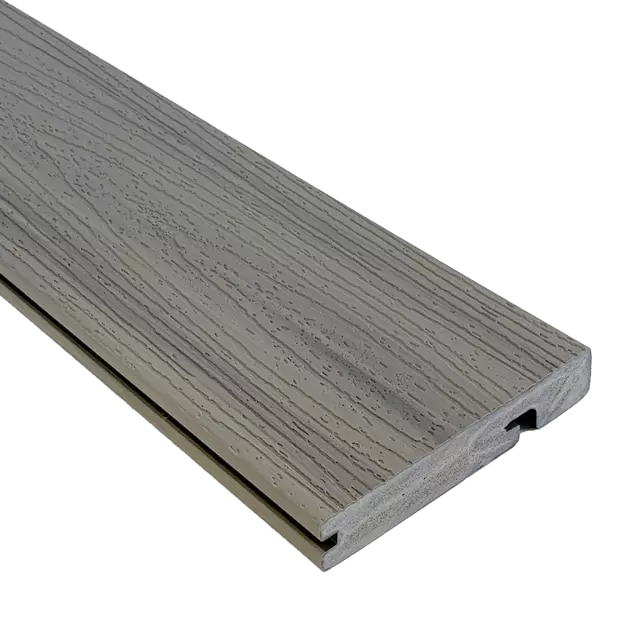
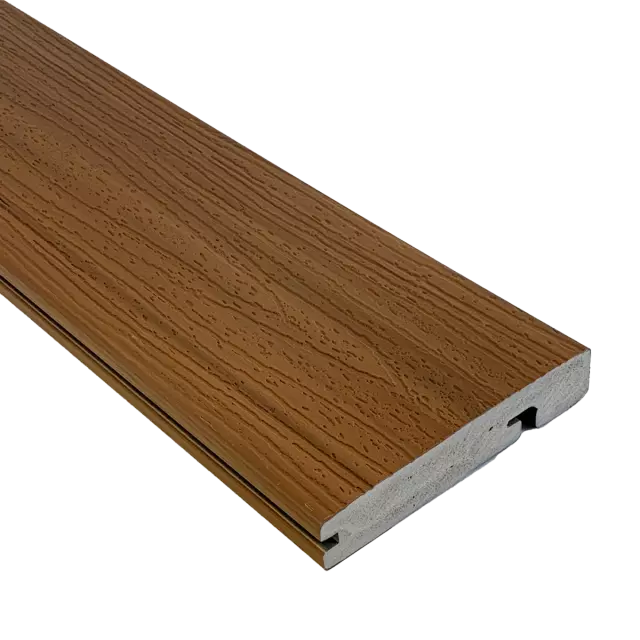
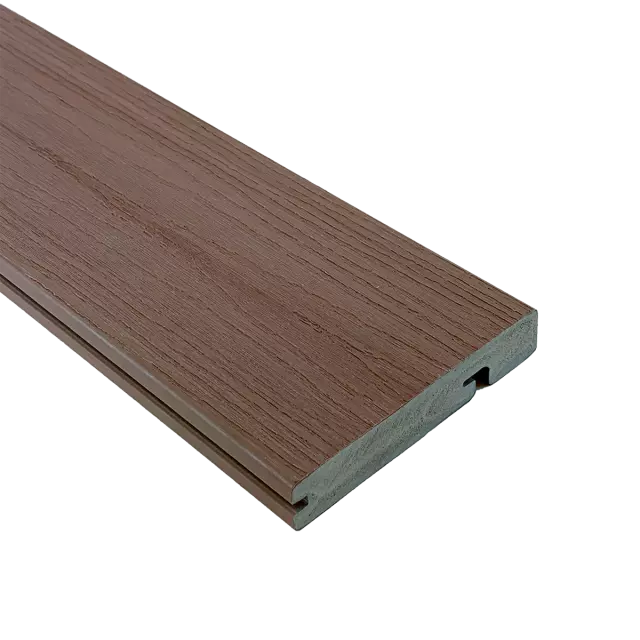
Everything a PVC deck is made of, in one place: grooved deck boards for the walking surface, fascia boards to cover the framing and joist ends, stair nosing to finish the front lip of each step, and the hidden fasteners and starting clip that hold the boards down without a screw head in sight. All of it is IPATIO PRIME foamed PVC, in 12 ft lengths.
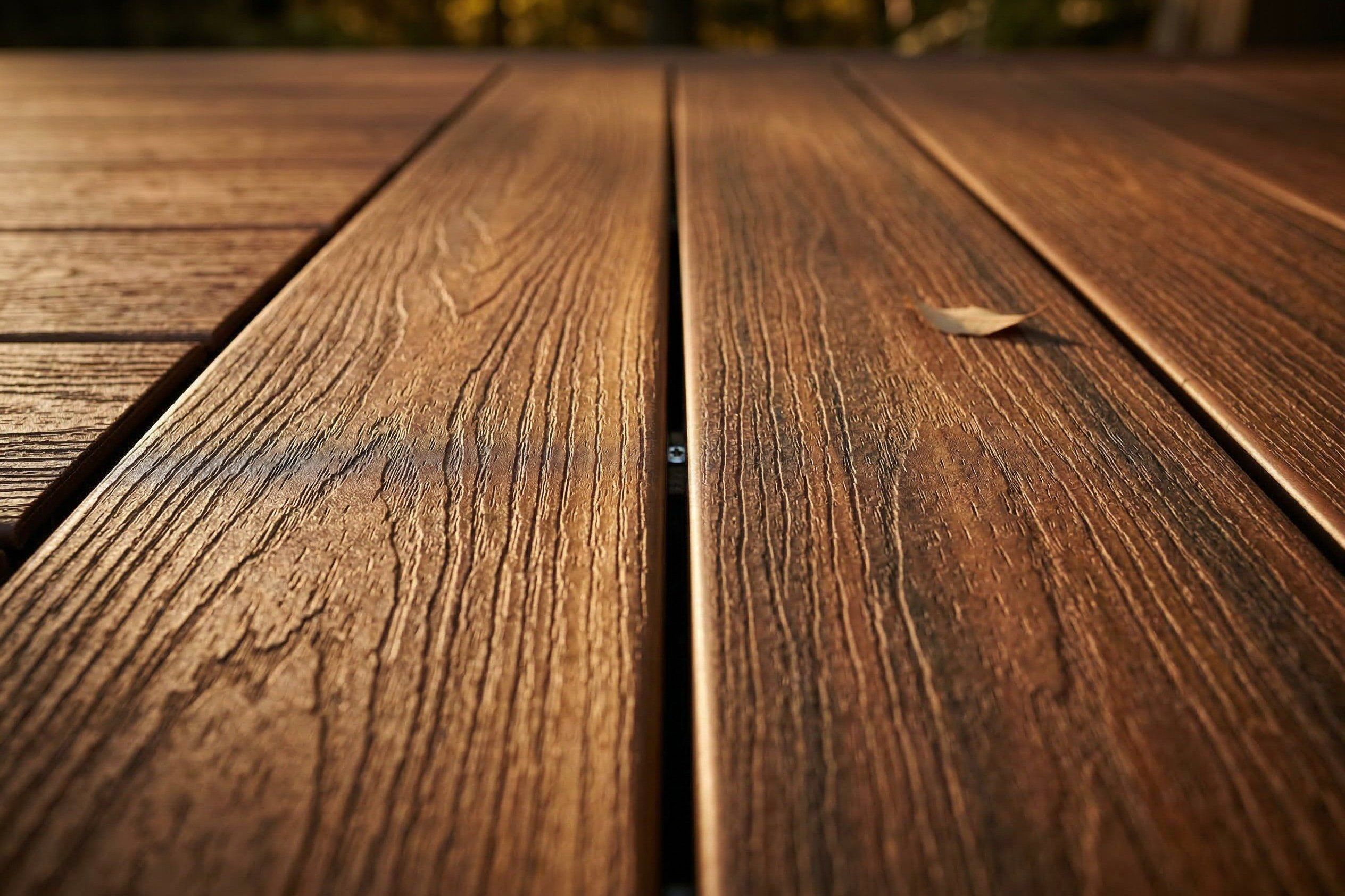
Foamed PVC has no organic content, and that is what makes it waterproof the whole way through: nothing in the board to rot, swell or splinter, and no sanding, staining or sealing — ever. The boards resist fading, staining, UV damage and scratches, stay cooler underfoot than a dark composite, and give a non-slip, splinter-free surface. Soap, water and a garden hose are the whole maintenance routine.
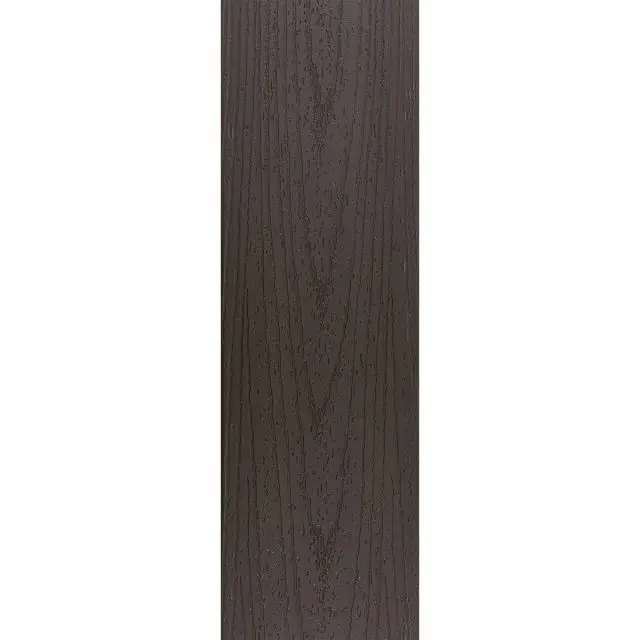
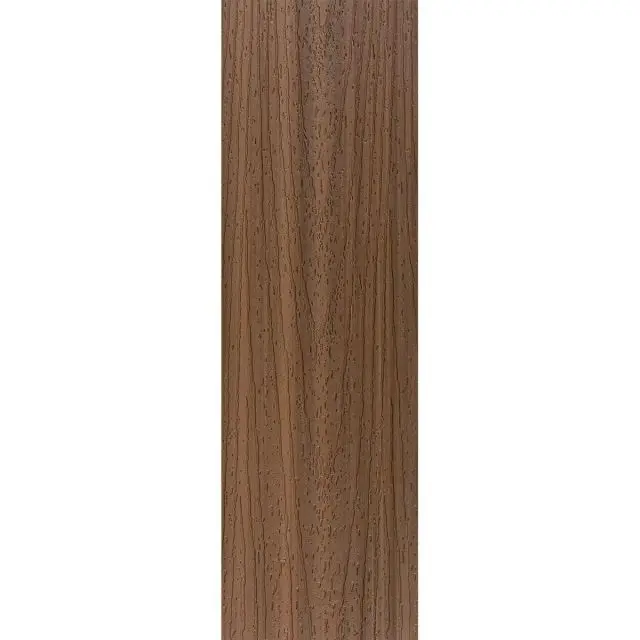
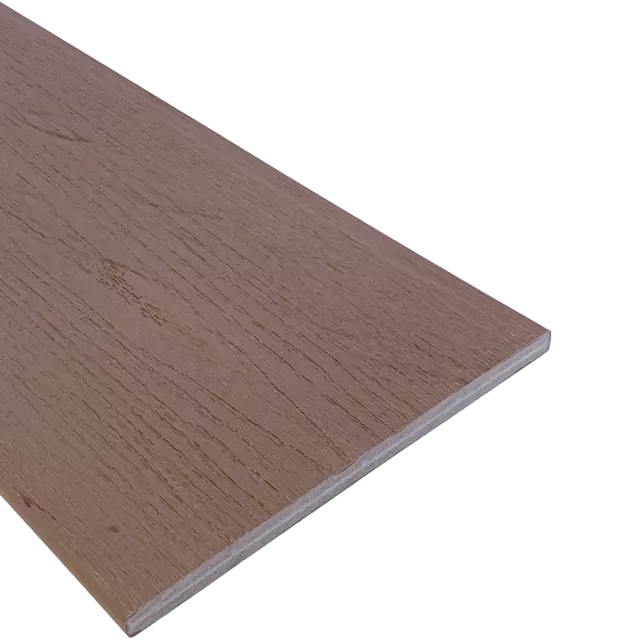
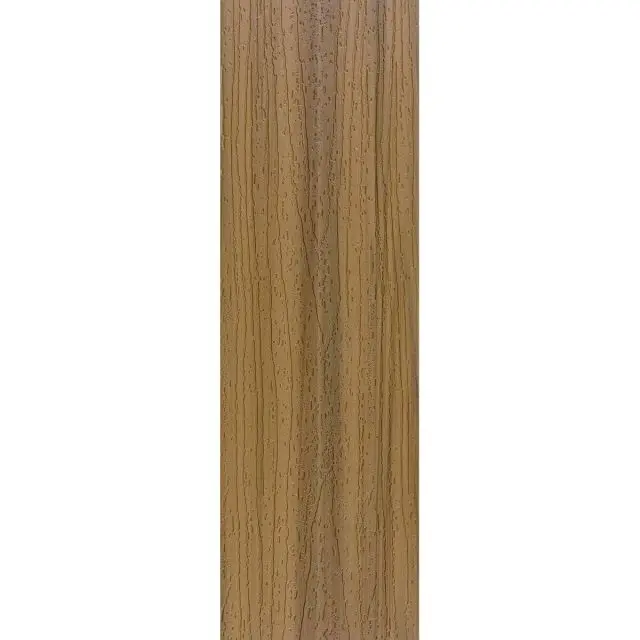
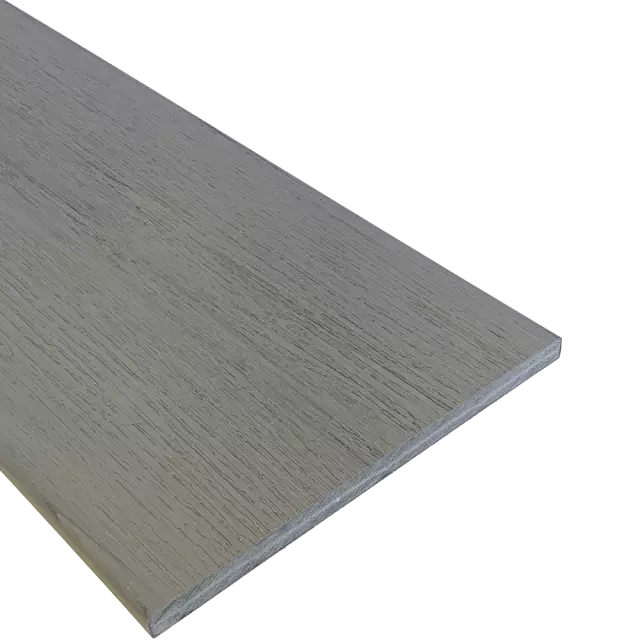
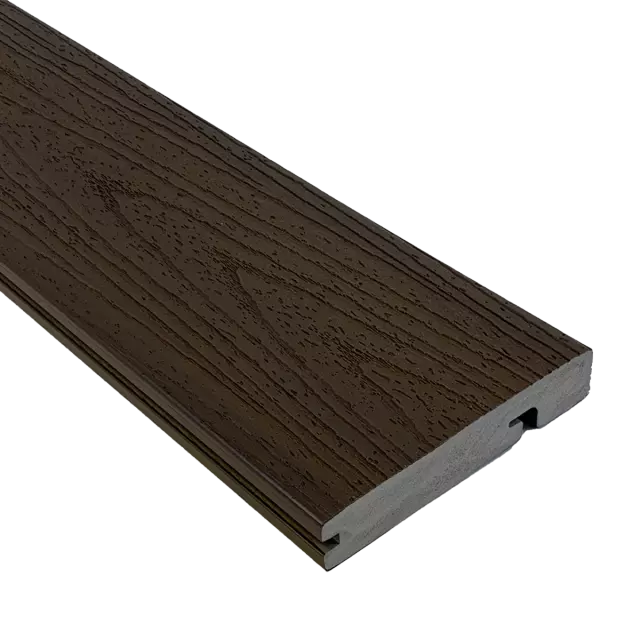
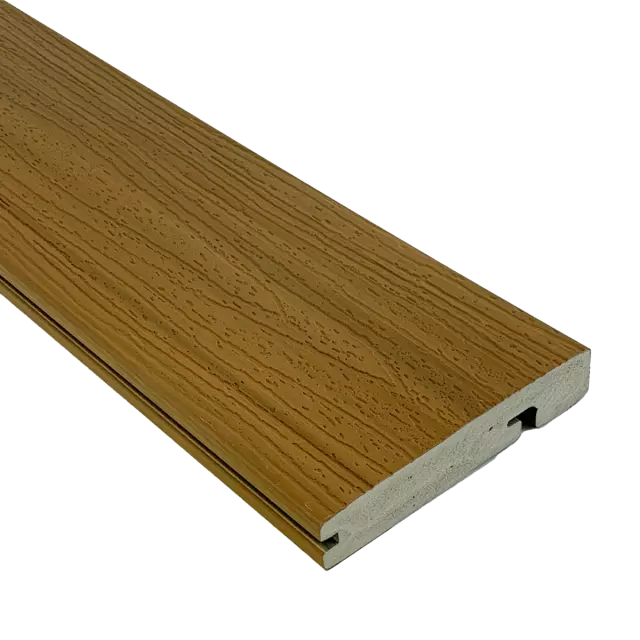
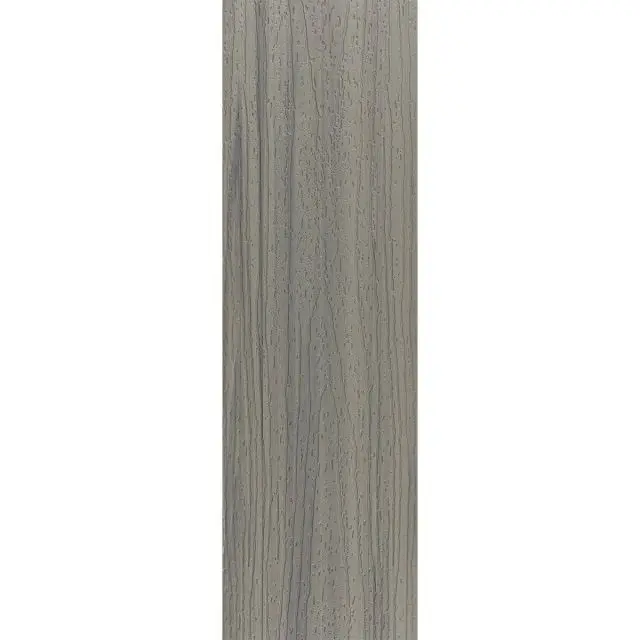
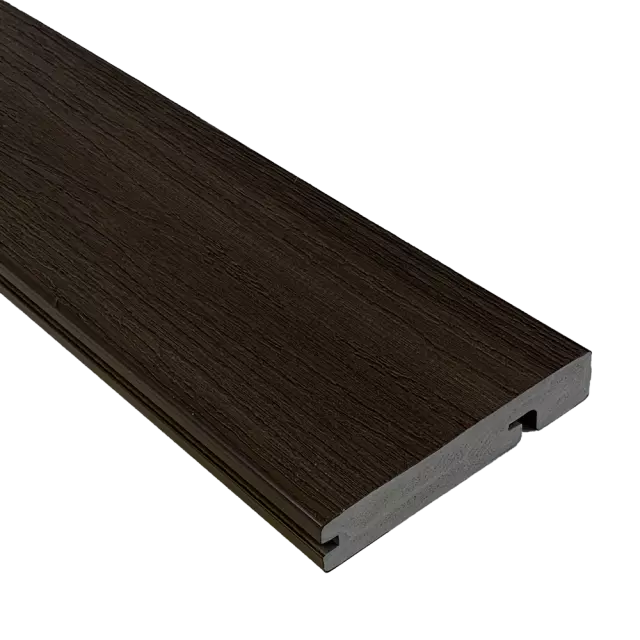
The colours run across the parts: deck boards in Teak, Stone, Chocolate and Mahogany, fascia in those four plus Milk Tea, and stair nosing in all six, adding Espresso. Pick the colour from the deck boards first, since they come in the fewest, then match the trim to them. Free shipping on most orders over $88*.
Decking FAQ
How many boards does my deck need?
Work out the deck's area — length × width — then divide by the area one 12 ft board covers; the board width is on each product page, so the arithmetic depends on which board you pick. Add about 10% for cuts, waste and the odd mistake, and count the perimeter separately for fascia and the front of each step for stair nosing. Order the whole deck in one go rather than in stages: colour can vary slightly between production batches, and one order keeps the whole surface the same.
Can PVC decking be installed in cold weather?
Yes. PVC contracts in the cold and expands in the heat, so the one thing that changes in winter is the gap you leave: boards installed on a cold day want a slightly wider expansion gap at the ends than the same boards installed in July, and the instructions that come with the board give the figure to work to. Otherwise the job is the same — a level, well-drained frame, the starting clip on the first board, then a hidden fastener in each groove. Keep the boards flat and supported before they go down, and let them sit at the site temperature for a few hours first.
What is the difference between PVC and composite decking?
Composite boards are a blend of wood fibre and plastic, so they still contain organic material that can take up moisture and weather over time. Foamed PVC has none at all: it is waterproof right through the board, immune to rot and insect damage, and it does not need the sanding or sealing a wood or part-wood surface eventually asks for. That is why this shelf is PVC only. The hidden fasteners and the starting clip are made for grooved boards of either kind, so they still fit if you are adding to a composite deck you already have.
*Conditions apply. See our Shipping Policy for details.
15 products



Guides for Decking
All guides-
PVC Decking vs Composite Decking: Which is Better?
Compare PVC and composite decking for your Canadian outdoor space. Learn the key differences in durability, maintenance, cost, and winter performance to make the best choice for your deck.
Login and Registration Form
Sign in before you order so your purchase earns points. Orders placed while signed in earn points once they’re complete. Checking out as a guest? Create your account on the order confirmation page and that order is added to it. Every 100 points takes $1 off a later order. About Club IPATIO
Create your account to earn 100 points right away, plus 100 more if you subscribe to our newsletter. Your account also earns points on purchases once each order is complete, and for product reviews. Every 100 points takes $1 off a later order. About Club IPATIO