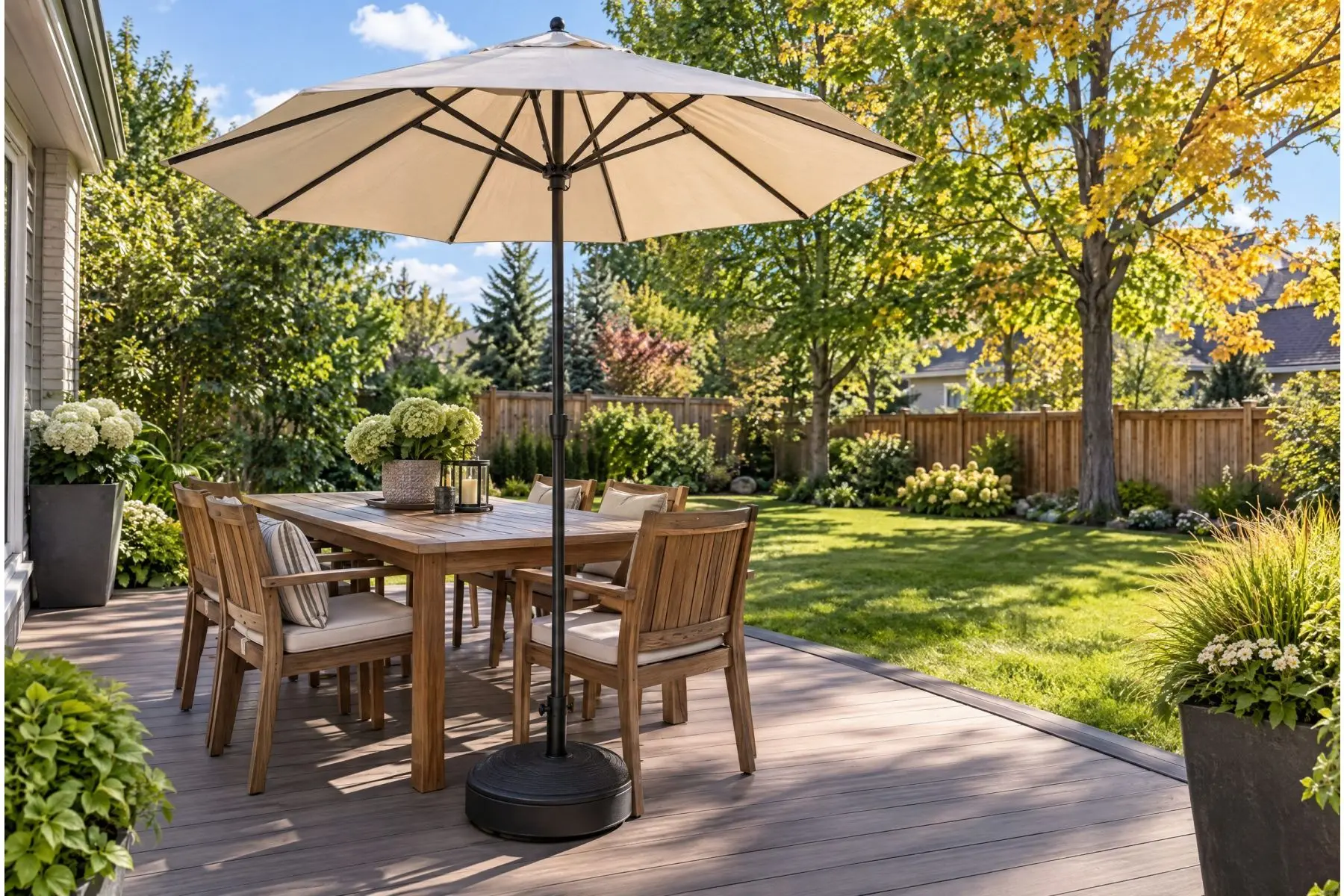
Ask ten Canadian homeowners what a canopy is and you will get ten different answers: a pop-up shelter for the farmers' market, a big white cover over the driveway, a steel roof protecting the motorcycle. They are all right. "Canopy" is the broadest word in outdoor shelter, and that is exactly why shoppers get stuck — the same search brings up a $140 folding shade tent and a $1,400 galvanized steel structure. This guide sorts the category out for Canadian backyards: what the three main types of canopies actually do, how to size one, which spec numbers matter in our climate, and how to keep the thing on the ground when a July squall rolls through Ontario or a Prairie wind picks up.
What a Canopy Is — and How It Differs From a Gazebo or Pergola
A canopy is a roof on legs. There are no permanent walls, no foundation, and in most cases no expectation that it stays up twelve months a year. That single definition separates it from its neighbours in the backyard structure aisle.
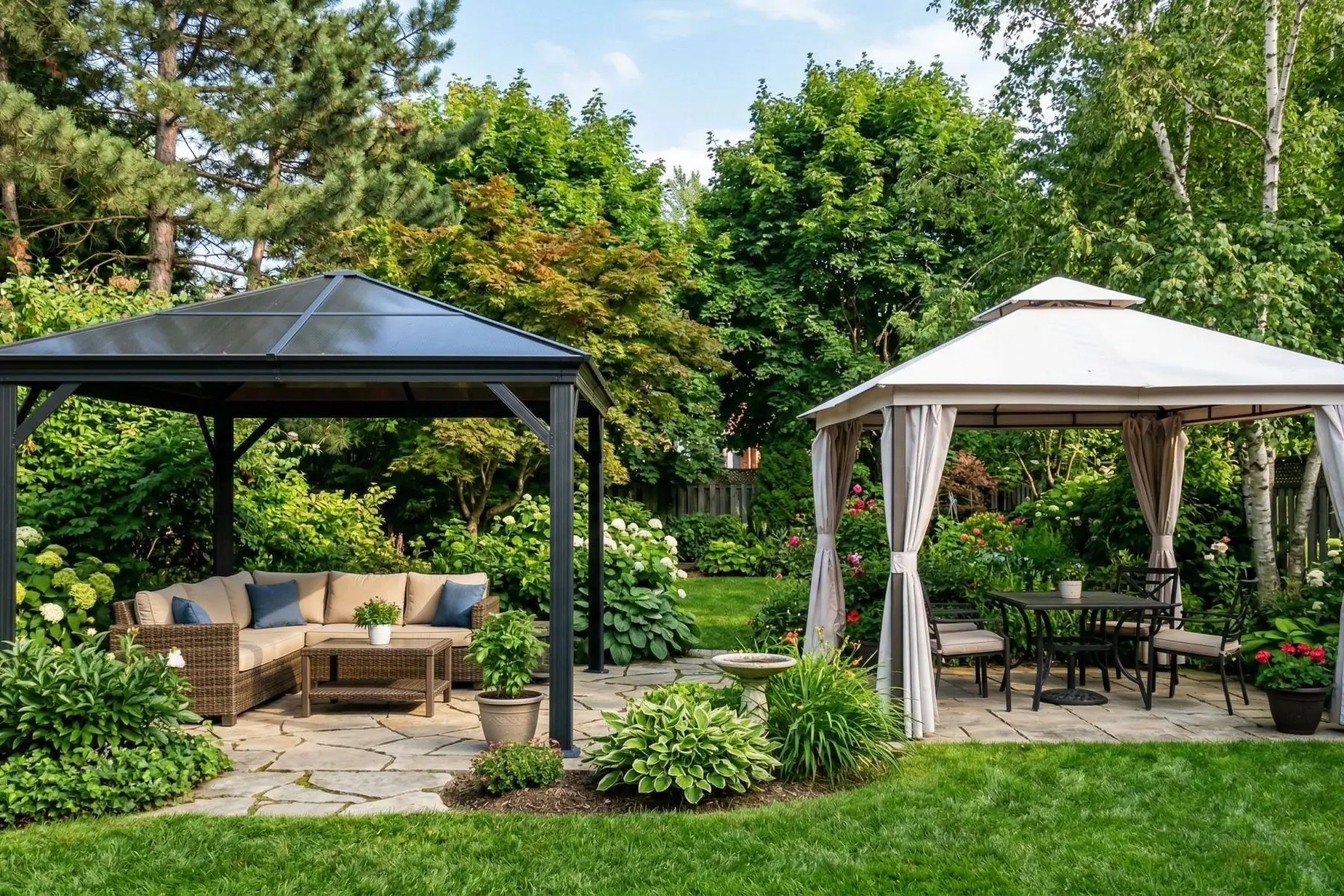
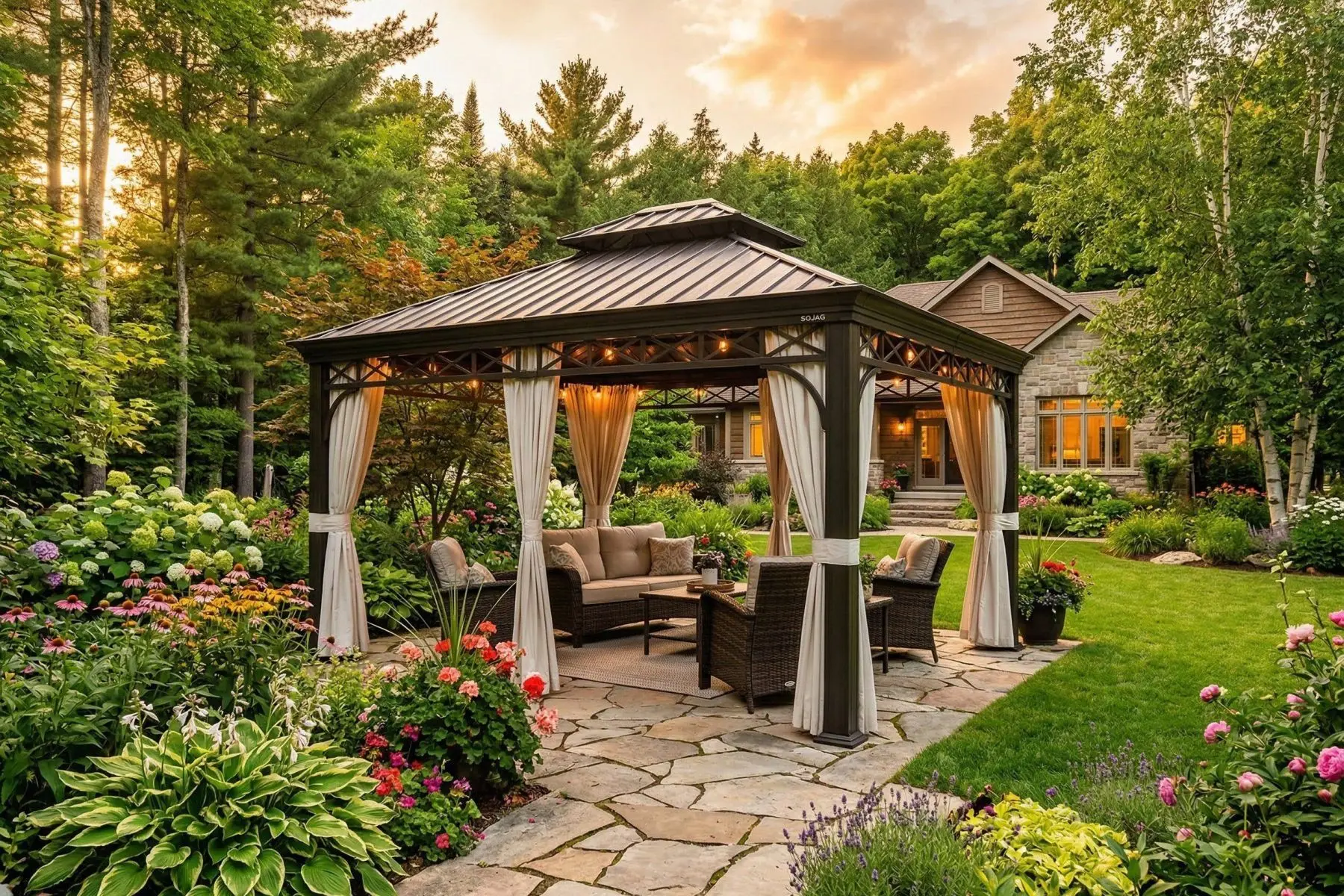
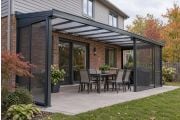
A gazebo is a defined room outdoors: a rigid frame, usually with netting or curtains, often with a hardtop roof, meant to stay in place all season and anchor a seating area. A pergola is an architectural feature with an open or louvered roof, built for dappled light and vertical interest rather than full weather cover. A canopy sits below both on price and above both on flexibility — it goes up in an afternoon, comes down for winter, and can move from the patio to the driveway to the campsite.
The practical consequence is simple. If you want a permanent outdoor room, look at gazebos. If you want shade with a defined structure and a fixed spot, look at pergolas. If you want maximum square footage of shade per dollar, with the option to pack it away, a canopy is the right category — and in Canada, where the outdoor season runs roughly May to October in most provinces, "packs away" is worth more than it sounds.
The Three Types of Canopies Canadians Buy
1. Pop-up canopies (instant, portable, 6 x 6 to 12 x 12 ft)
These are the accordion-frame shelters you can carry in a roller bag. One or two people open them in minutes with no tools. Pop-up canopies dominate soccer sidelines, market stalls, tailgates and backyard birthdays, and they are the entry point to the category for most buyers.
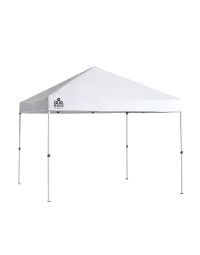
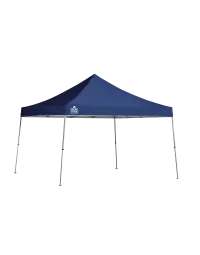
The spec that separates a cheap one from a good one is the top fabric. A Quik Shade Expedition EX100 uses a 150D polyester top with an Aluminex coating for up to 99% UV protection over 100 sq ft of shade, with 25 mm legs and three height positions — solid for occasional family use. Step up to a Quik Shade Commercial C100 and you get a 300D top, rigid 12 x 23 mm overlapping eaves, 30 mm legs and a hardened thru-bolt frame, plus a wall panel for sun coming in sideways at 6 p.m. That heavier build is what survives a season of weekly market days rather than six sunny Saturdays a year.
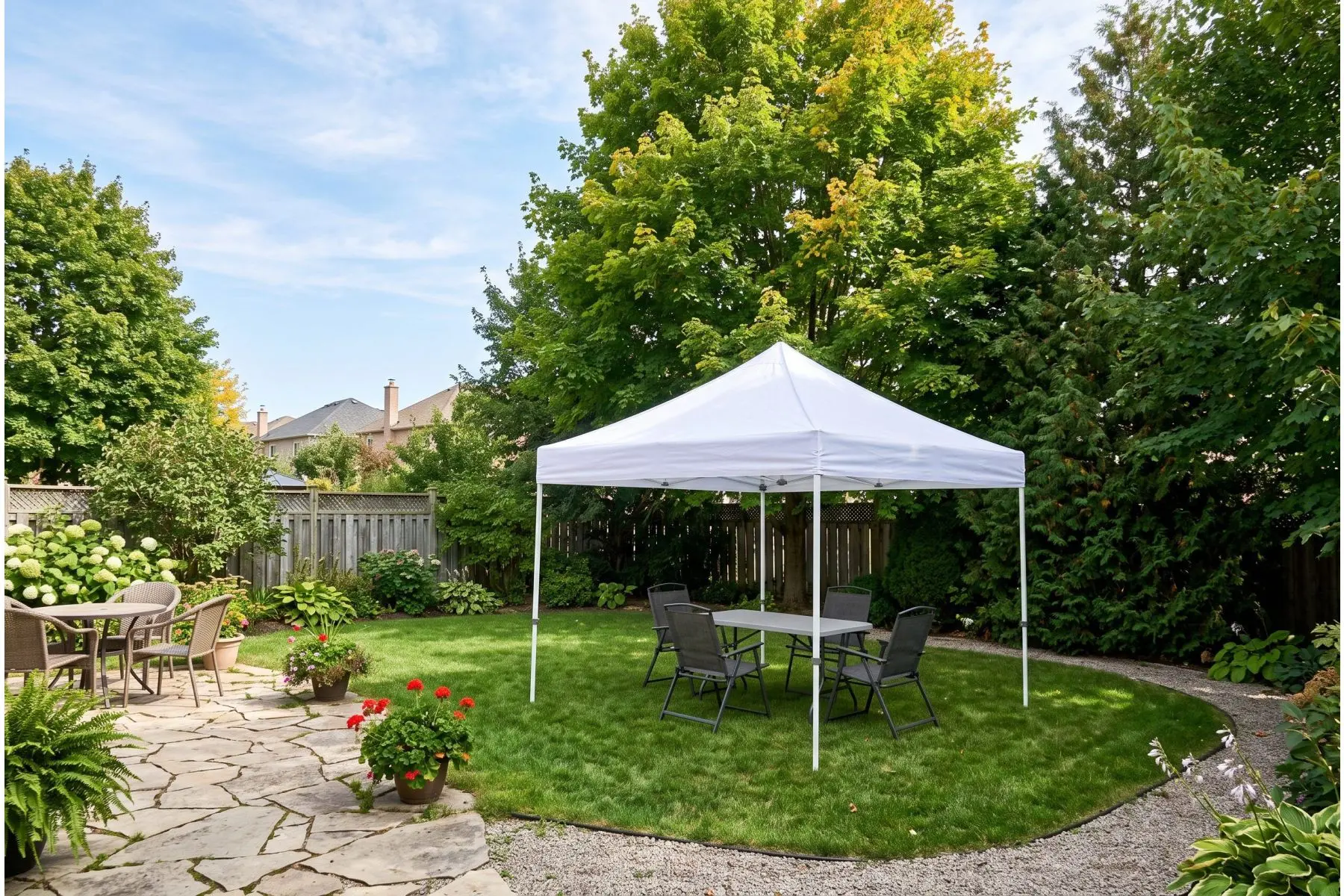
Straight-leg models give you the full footprint of shade — a 10 x 10 ft straight-leg canopy really does cover 100 sq ft. Slant-leg models are lighter and cheaper but the shaded area shrinks toward the top, so an 11 x 11 ft slant-leg frame shades noticeably less ground than its dimensions suggest. If you are putting a table under it, buy straight legs.
2. Fixed-leg shade canopies (10 x 20 ft and larger)
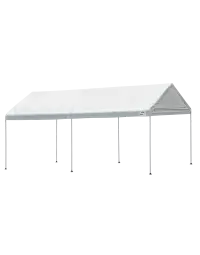
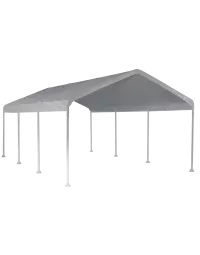
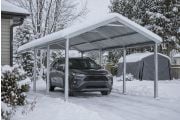
When you need to cover a driveway, a boat, a wedding reception or a work area, the frame stops folding and starts bolting together. A ShelterLogic MaxAP 10 x 20 ft canopy uses 1-3/8 in. heavy-duty powder-coated steel with a ripstop, UV-treated polyethylene cover that is heat-welded rather than sewn — meaning the seams do not leak. It rates 50+ UPF and blocks 98% of UV, and two people assemble it in under two hours.
Go a size heavier and the tubing goes with it: a ShelterLogic SuperMax 12 x 20 ft runs 2 in. steel on eight legs with a triple-layer waterproof polyethylene cover, UV-treated inside and out with a fade blocker. The largest members of the family, the UltraMax canopies, reach 30 x 50 ft for event and commercial use. None of these are portable in the pop-up sense — plan on leaving them up for the season and taking the cover off before snow.
3. Metal canopies (permanent, year-round)
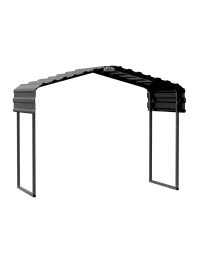
The third type swaps fabric for steel. An Arrow Metal Canopy in the 10 x 6 x 7 ft size carries a 29-gauge galvanized steel roof on a 2 in. square-tube powder-coated frame, rated to 100 MPH wind and up to 35 PSF snow load, with a 10-year limited warranty. It is sized for a motorcycle, an ATV, bikes, a grill or a smoker rather than a car — for vehicles you want a full carport or one of the car shelters built for that job.
This is the only canopy type designed to stay outside through a Canadian winter without intervention. You pay several times the price of a fabric canopy for that, and you give up portability entirely.
Comparison: Which Canopy Type Fits Your Yard?
| Feature | Pop-up canopy | Fixed-leg shade canopy | Metal canopy |
|---|---|---|---|
| Typical footprint | 6 x 6 to 12 x 12 ft | 10 x 10 to 30 x 50 ft | 10 x 6 to 12 x 6 ft |
| Setup time | Minutes, one or two people | Up to 2 hours, two people | A weekend, tools required |
| Roof material | 150D–300D coated polyester | Woven UV-treated polyethylene | 29-gauge galvanized steel |
| Waterproof | Water-resistant; sheds showers | Yes, heat-welded seams | Yes |
| Stays up in winter | No | Frame yes, cover off | Yes, rated for snow load |
| Price range (in stock, at writing) | About $140–$420 | About $190–$1,700 | About $1,100–$1,400 |
| Best for | Events, markets, portable shade | Driveways, boats, large gatherings | Motorcycles, ATVs, grills, year-round cover |
How to Size a Canopy for Your Yard
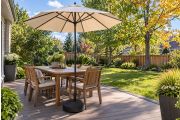
Start with what goes underneath, not with the frame. A six-person patio table with chairs pulled out needs roughly a 10 x 10 ft footprint. A ten-person gathering with a serving table wants 12 x 12 ft or a 10 x 20 ft rectangle. A boat, a utility trailer or a two-car driveway is 12 x 20 ft territory.
Products in this guide
Then add clearance. Manufacturers quote the footprint at ground level, but the useful shaded area shifts through the day: at 4 p.m. in late August in Toronto or Vancouver, the sun is low enough that a 10 x 10 ft roof puts its shade several feet to one side. Canadians buying for evening entertaining consistently under-buy for this reason. If you are between sizes, take the larger one, or choose a model that includes a wall panel to block low-angle sun.
Height matters too. Most pop-up canopies offer three or four height positions; the tallest is the one you want over a standing crowd or a barbecue, the lowest is what you drop to when the wind comes up. Check the peak clearance before assuming a canopy will fit over a truck box or a trailer.
Reading the Spec Sheet: Fabric, Frame and UV
Four numbers tell you almost everything about a fabric canopy.
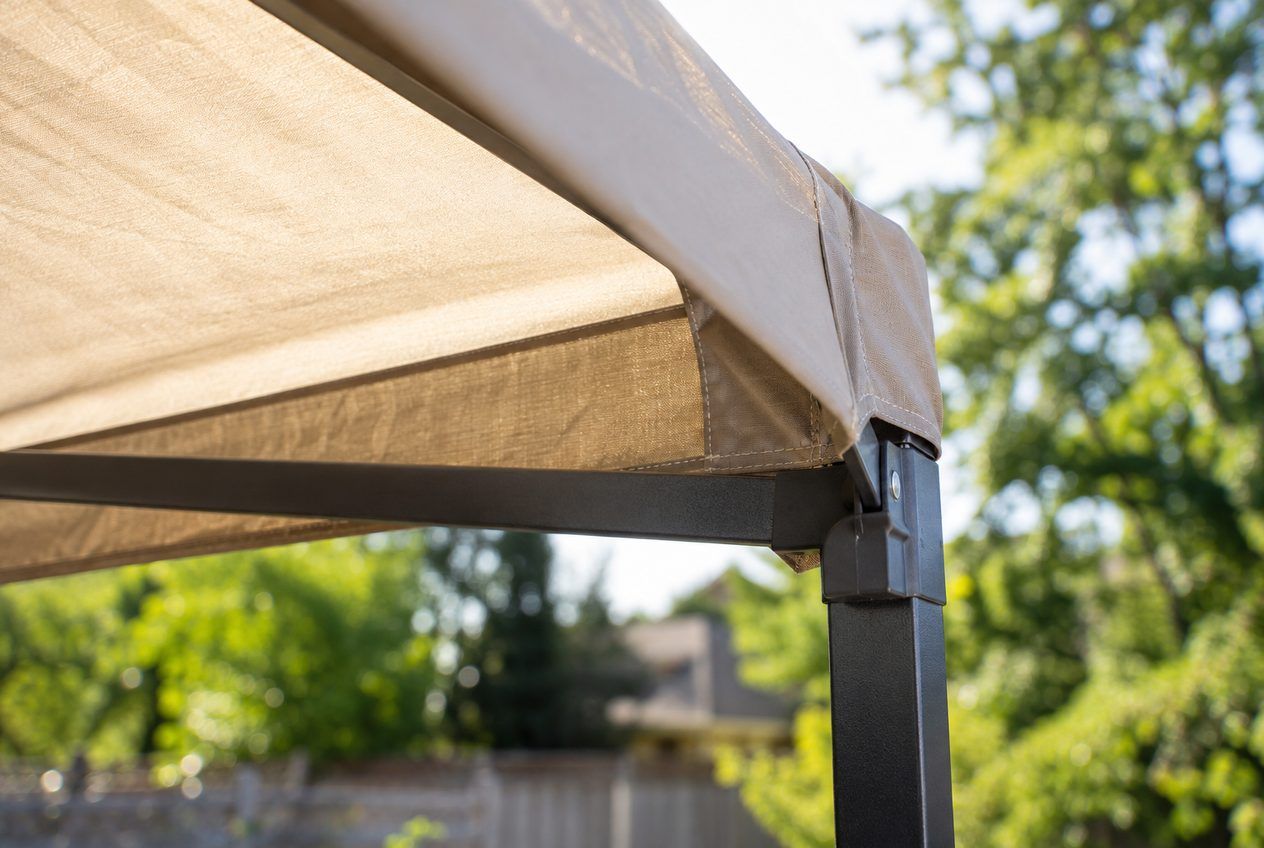
Denier (D). The thread weight of the top. 150D is standard for consumer pop-ups, 300D is the commercial grade. Higher denier means more abrasion resistance and a longer life against UV breakdown, which is the real killer of canopy tops in Canada's high-summer sun.
UV rating. Coated polyester tops such as Aluminex-lined Quik Shade covers block up to 99% of UV; ShelterLogic's woven polyethylene covers rate 50+ UPF and block 98%. Either is enough for a shade structure — but a raw uncoated top is not, and it will chalk and fade within two seasons.
Leg and frame diameter. On pop-ups, 25 mm legs are consumer-grade and 30 mm legs are commercial. On fixed-leg canopies, the jump from 1-3/8 in. to 2 in. steel tubing roughly describes the difference between "seasonal shade" and "leave it up all summer and forget about it."
Seam construction. Heat-welded seams are waterproof; stitched seams are needle-holes in a row and will drip. If rain protection matters — and in Halifax or St. John's it does — this is the spec to check first.
Anchoring, Wind and Snow: The Canadian Reality
The single most common way a canopy dies in this country is not wear. It is a gust that lifts an unanchored frame and folds it against the fence. A canopy is, aerodynamically, a wing. Every manufacturer that publishes a wind rating publishes it for an anchored unit — ShelterLogic recommends one anchor per leg, and the Arrow metal canopy's 100 MPH figure assumes a securely anchored frame.
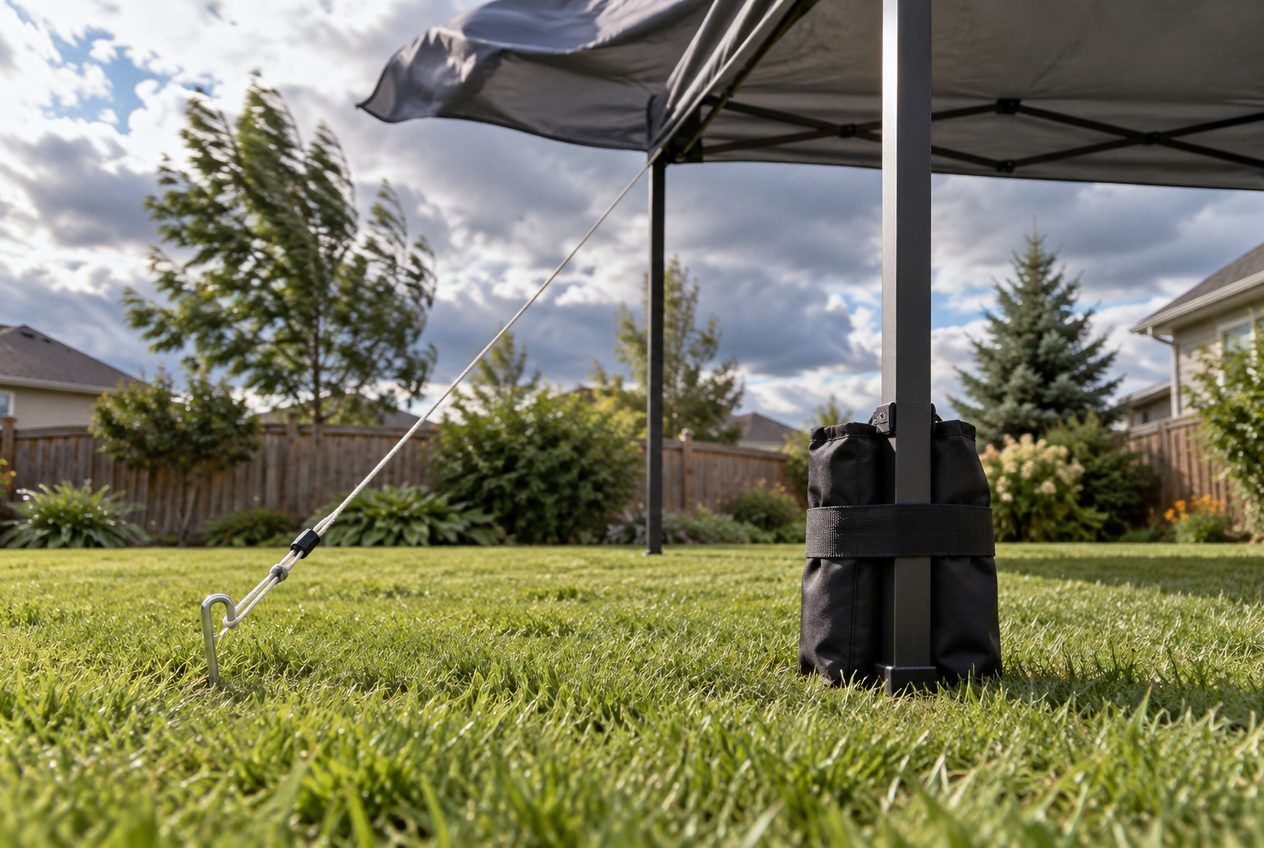
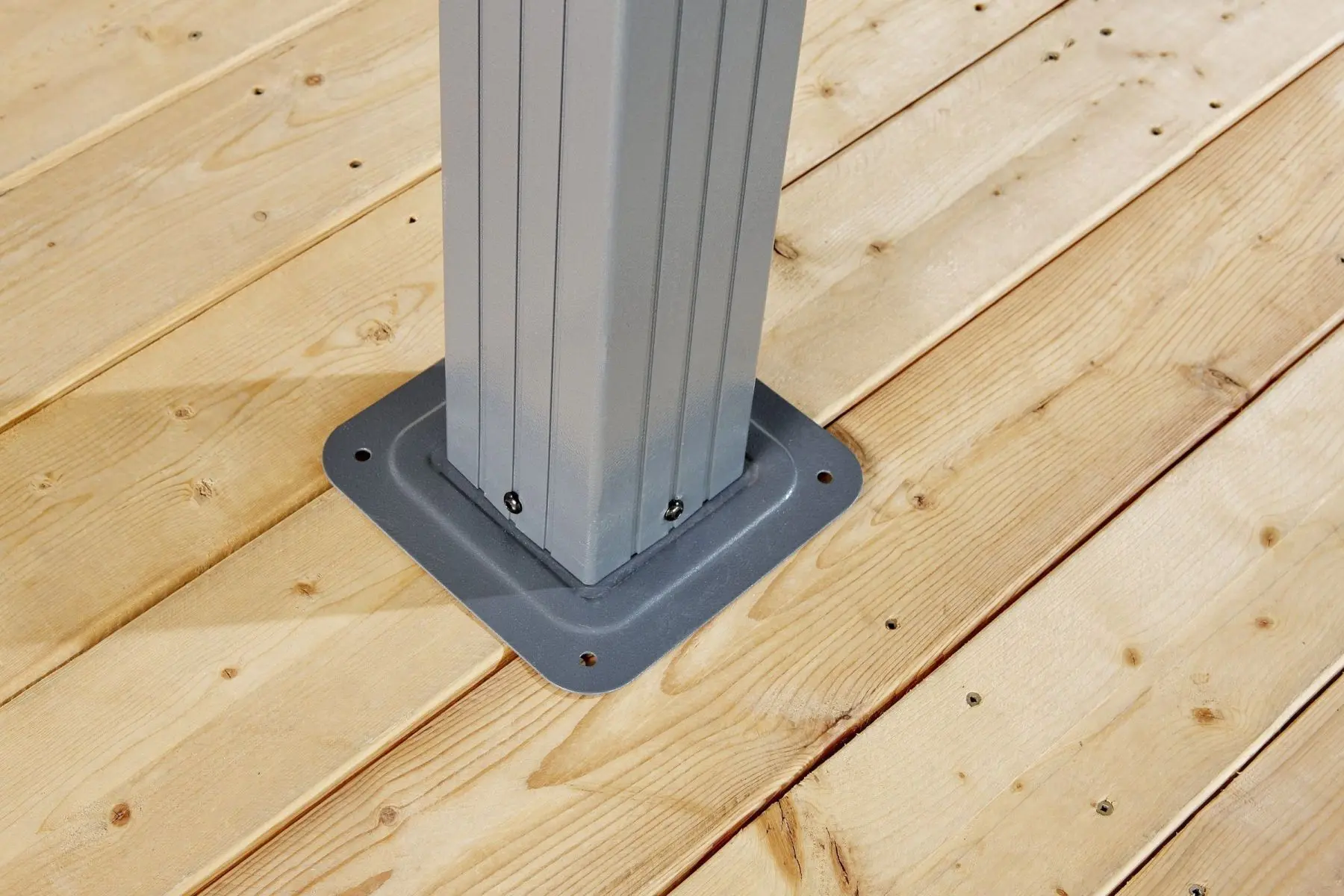
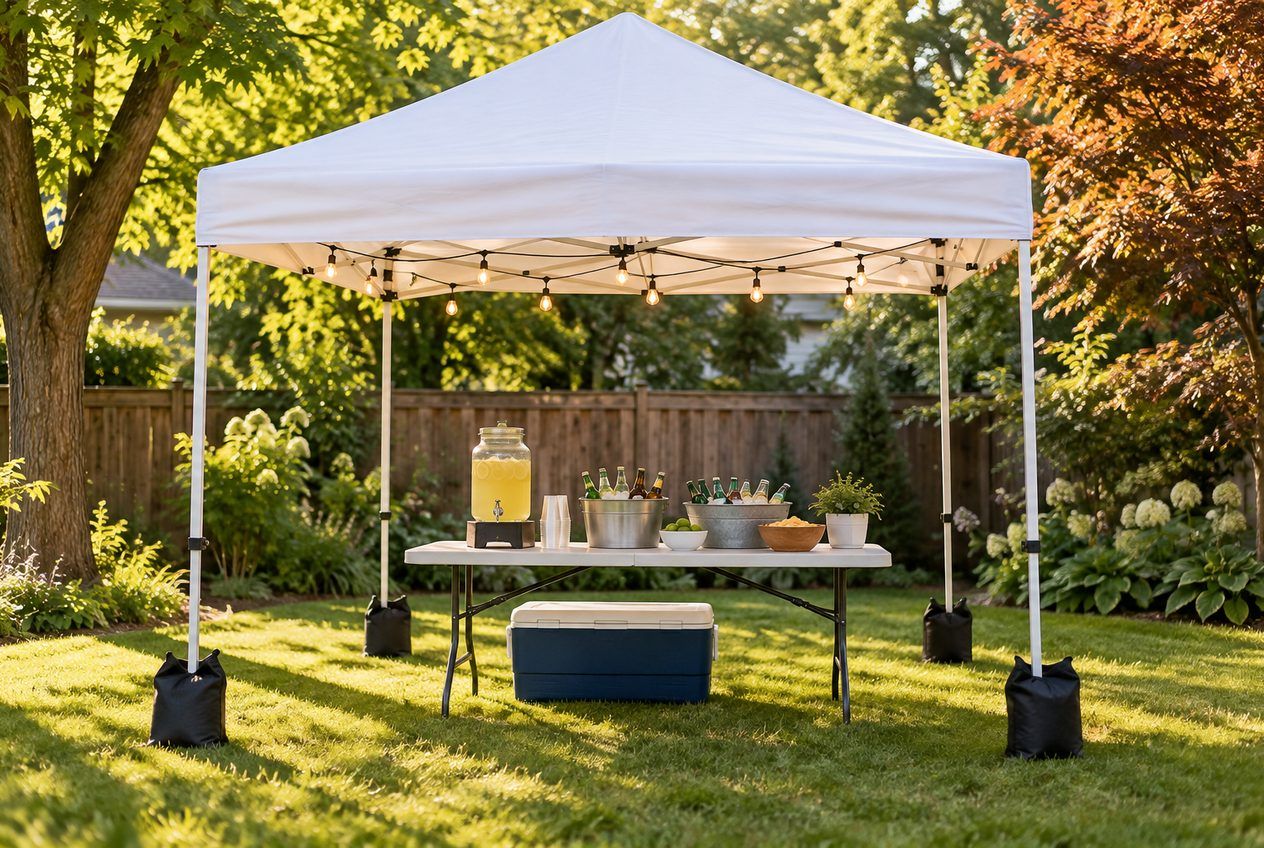
On grass, the steel stakes in the box are the minimum, driven at an angle away from the leg. On a deck, use the wide foot plates and screw or bolt through them. On concrete, asphalt or interlock, stakes are not an option, and this is where weight kits earn their keep — a set of four cement weight plates or fillable weight bags on the feet is the standard answer for driveways and patios. Browse gazebo accessories and canopy accessories for anchor kits, weight bags, sidewalls and replacement covers that fit specific models.
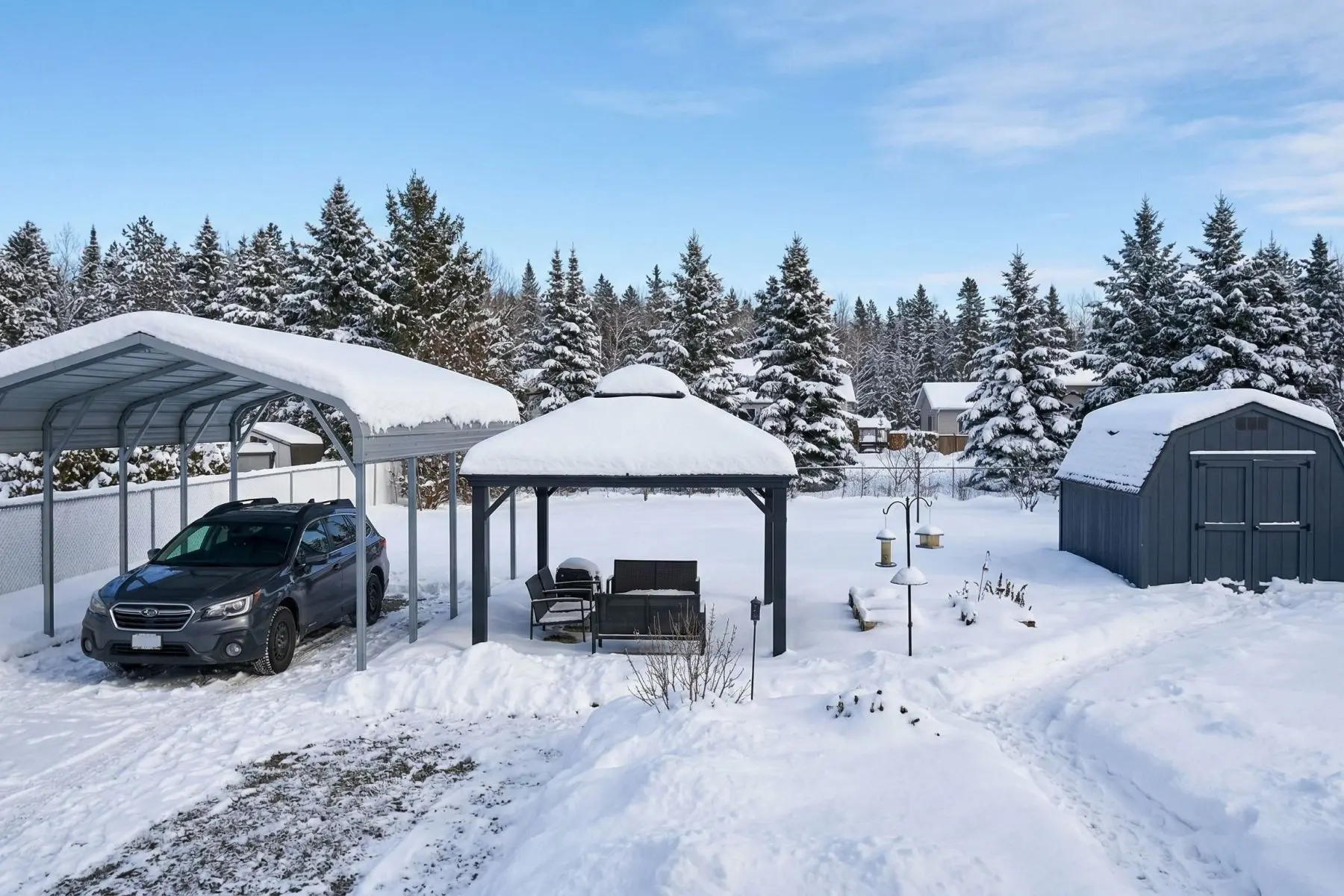
Snow is the other half of the equation. Fabric canopies are shade and rain structures, not snow structures: take the cover off before the first accumulating snowfall, dry it, fold it and store it indoors. A wet cover folded into a bin grows mildew by February. Only metal canopies with a published ground snow load rating — 35 PSF on the Arrow units — belong outside under a Canadian winter, and even they need the roof cleared during an unusual season.
Frequently Asked Questions
Can I leave a canopy up all winter in Canada?
Not a fabric one. Pop-up canopies should be taken down and stored after each use or at the end of the season, and the covers on fixed-leg shade canopies should come off before the first accumulating snowfall — wet snow loads collapse frames that handle wind without trouble. Metal canopies with a published snow load rating, such as the Arrow units rated to 35 PSF, are built to stay up year-round, though you should still clear heavy accumulation from the roof.
What size canopy do I need for a patio table?
A 10 x 10 ft straight-leg canopy covers a six-person table with the chairs pulled out, which is why it is the most popular size in Canada. For ten or more people, or a table plus a serving station, step up to 12 x 12 ft or a 10 x 20 ft rectangle. Choose straight legs rather than slant legs if a table goes underneath — slant-leg frames lose usable shade toward the edges.
Are canopies waterproof or just water-resistant?
It depends on the seams. Coated polyester pop-up tops shed a passing shower but have stitched seams that eventually drip in sustained rain. Woven polyethylene covers on fixed-leg canopies such as the ShelterLogic MaxAP and SuperMax are heat-welded rather than sewn and are rated 100% waterproof. Whatever you buy, keep one side pitched slightly lower so water runs off instead of pooling in the centre.
How do I anchor a canopy on a concrete driveway?
Use weights, not stakes. A set of four cement weight plates or fillable weight bags clipped to the legs and feet is the standard solution for concrete, asphalt and interlock, and it takes no tools. Add one weight per leg at minimum, take the canopy down before storms rather than trusting the weights in high wind, and lower the frame to its shortest height setting whenever gusts pick up.
Which Canopy Should You Choose?
For most Canadian backyards the honest answer is a 10 x 10 ft straight-leg pop-up canopy with a coated top and a weight kit — it shades a full table, stores in the garage, and costs less than a single piece of patio furniture. Buy up to a commercial-grade frame if it will be used most weekends rather than a few times a summer. Move to a fixed-leg shade canopy when the job is a driveway, a boat or a party rather than a table, and to a metal canopy when the goal is year-round cover for a motorcycle, ATV or grill.
If what you actually want is a permanent outdoor room instead of seasonal shade, compare the canopies against gazebos and pergolas before you buy — the price gap is smaller than most people expect, and the answer changes completely once "leave it up all season" becomes a requirement. Whichever direction you go, budget for anchoring on day one. It is the cheapest part of the purchase and the reason your canopy is still standing in three years.