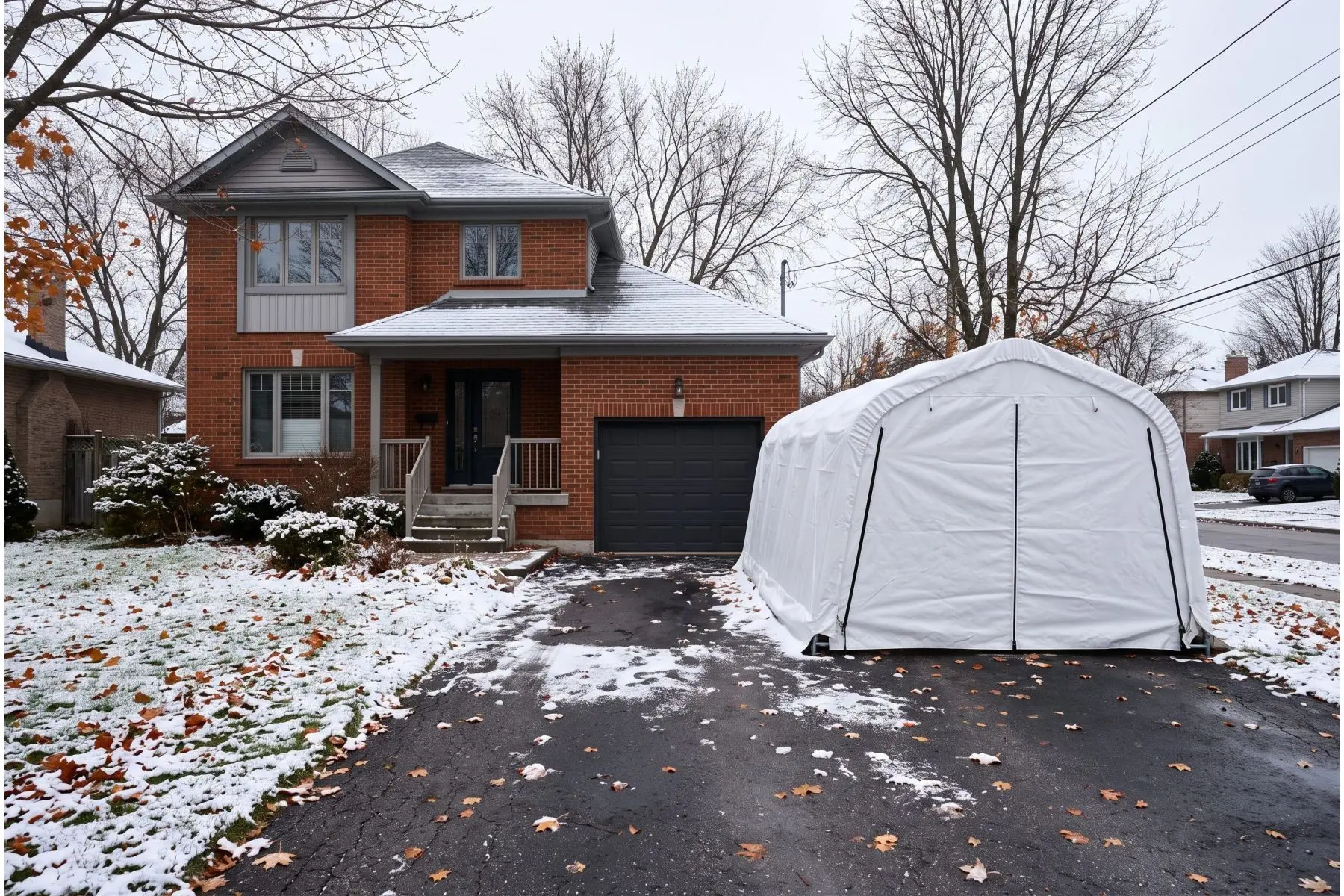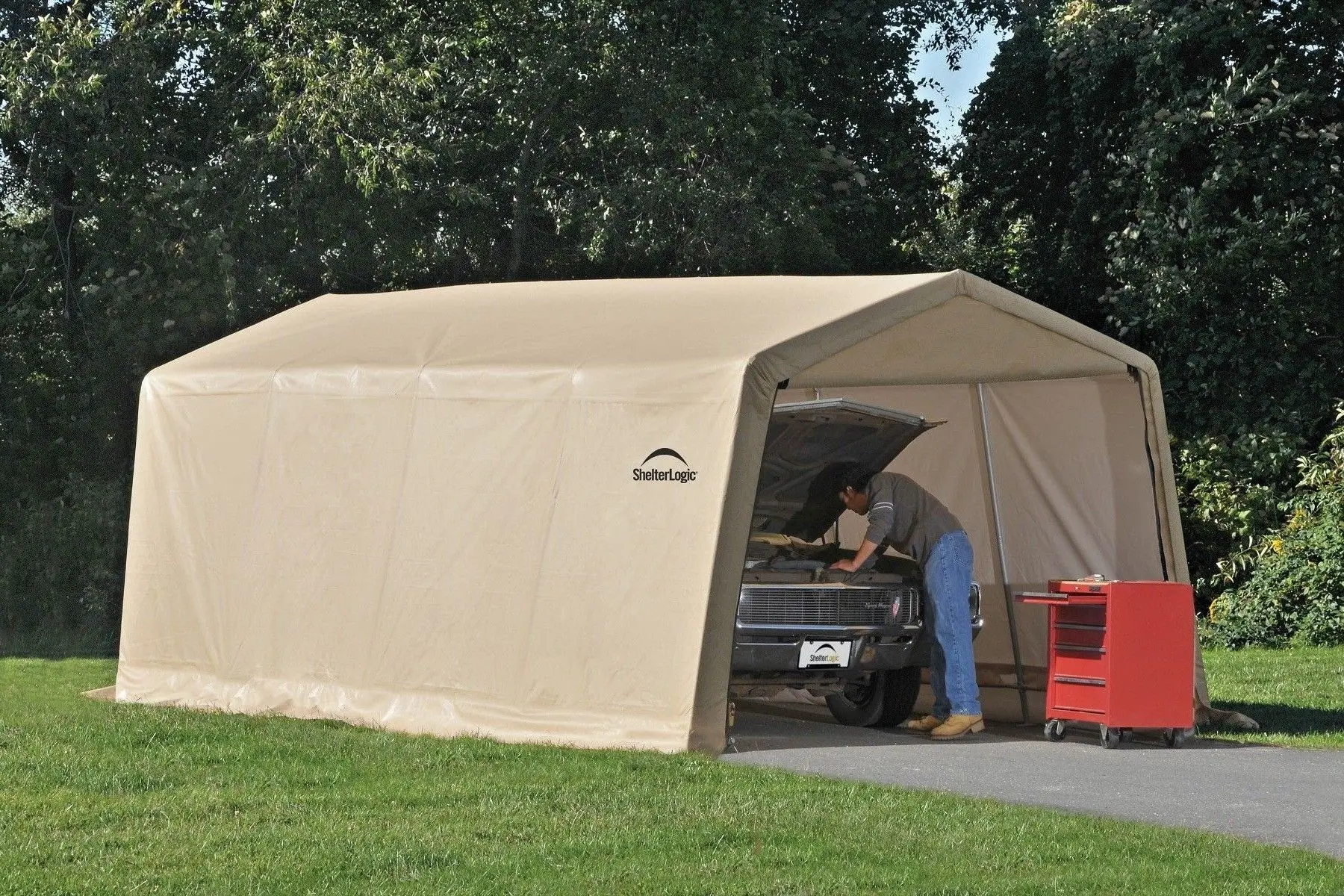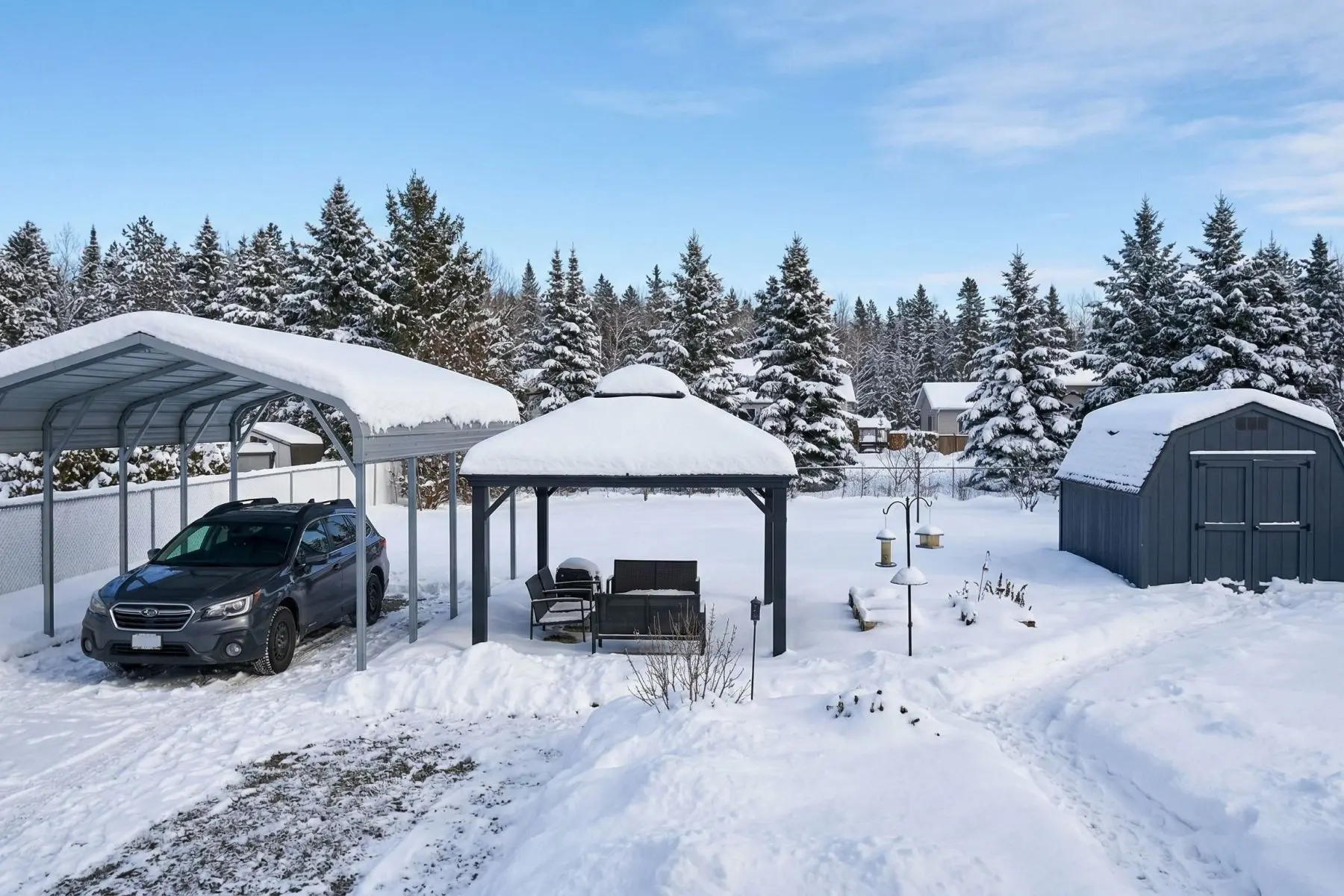
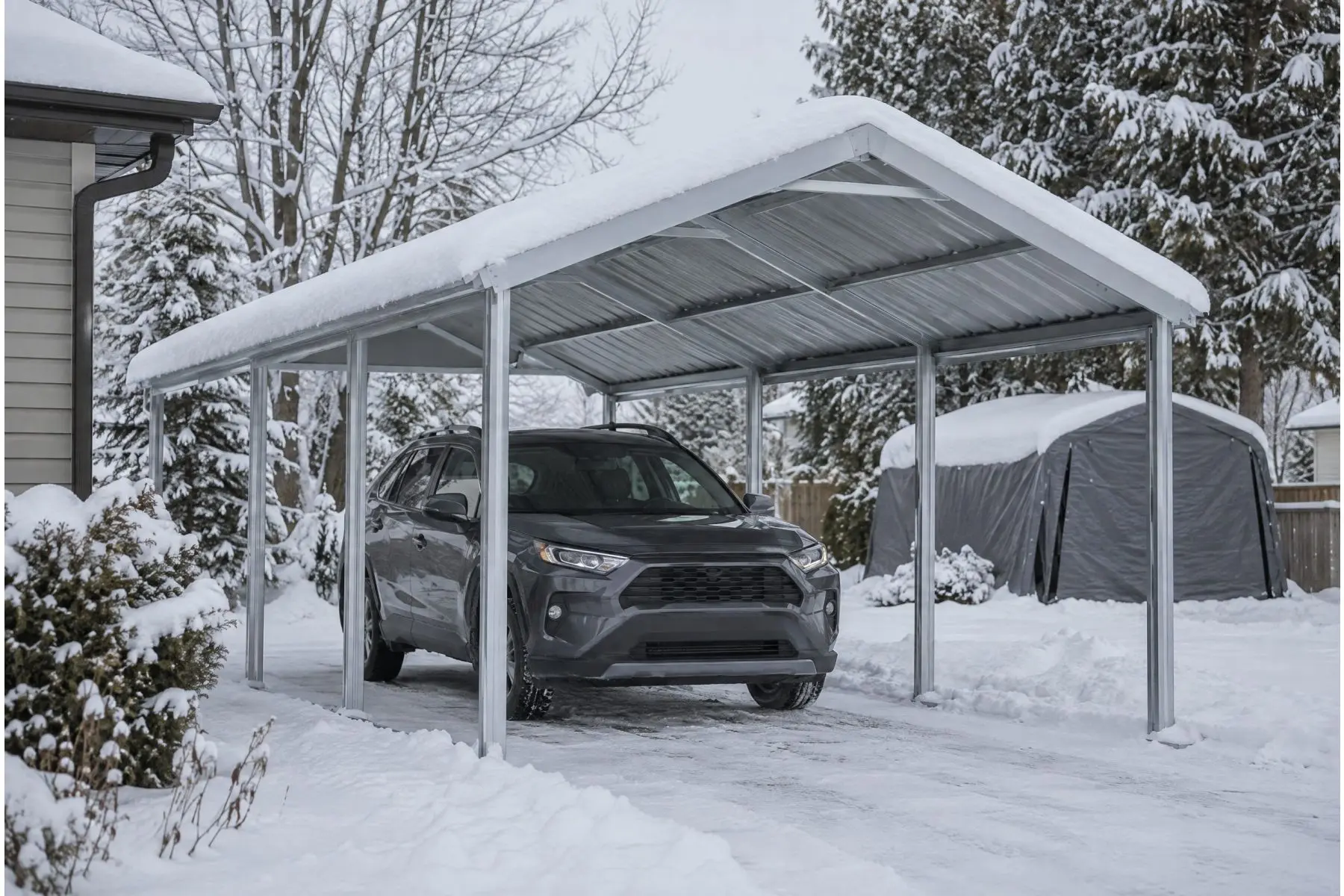
Every Canadian winter produces the same photographs: a collapsed metal carport folded over the car it was meant to protect, posted to a neighbourhood group the morning after a heavy storm. Almost every time, the shelter was rated for snow. The rating simply was not the number the owner assumed it was. Snow load ratings are the single most useful spec on a carport, portable garage or utility shelter sold in Canada, and they are also the spec buyers most often skim past. This guide explains what those numbers mean, what ratings actually exist on the market, and how to match one to the winter your address gets.
What a snow load rating actually measures
A snow load rating is expressed in pounds per square foot, abbreviated psf. It describes how much weight each square foot of the roof surface can carry before the structure is considered to be past its design limit. A 35 psf roof covering 200 square feet is engineered to hold roughly 7,000 pounds of snow spread evenly across it.
Two details matter more than the number itself. The first is that the rating assumes even distribution. Snow does not drift evenly, and a load that piles against one side of a peaked roof concentrates weight the engineering never anticipated. The second is that the rating assumes the structure was built exactly as the manual specifies: every brace installed, every anchor driven, every fastener torqued, and on a fabric shelter, the cover pulled drum tight. A rating is a laboratory figure for a correctly assembled unit, not a promise about the one that went up in a hurry on a Saturday afternoon.
Canadian building codes express ground snow load in kilopascals rather than psf, so you will meet both units. The conversion is straightforward: one kilopascal equals 20.885 psf. That puts a 30 psf shelter at roughly 1.44 kPa, a 35 psf shelter at about 1.68 kPa and a 40 psf shelter near 1.92 kPa. Keeping those pairs in mind makes it much easier to compare a product spec sheet against a municipal figure.
The ratings that actually exist: 30, 35 and 40 psf
Across the carports, garages and utility shelters we stock with a published snow-load rating, the numbers cluster far more tightly than most shoppers expect. Nearly all of them are rated 30 or 35 psf. The top of the range is 40 psf, on the round-roof ShelterCoat garages. There is no long tail of heavy-duty options, and that shapes the decision more than any marketing copy does.
| Structure | Snow load | Wind load | Best suited to |
|---|---|---|---|
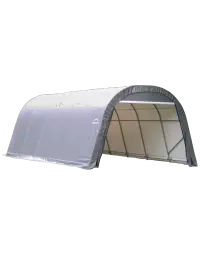
| ShelterCoat round garages, 8 x 8 to 15 x 28 ft | 40 psf (1.92 kPa) | up to 90 mph | Year-round standing, with the most snow margin in the range |
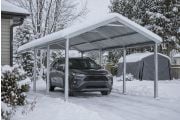
| Arrow steel carports, open frame | 35 psf (1.68 kPa) | 100 mph | Exposed, windy sites with moderate snow |
| Arrow metal canopies 10 x 6 and 12 x 6 ft | 35 psf (1.68 kPa) | 100 mph | Entryways, equipment, small vehicles |
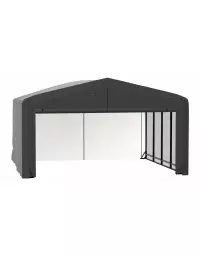
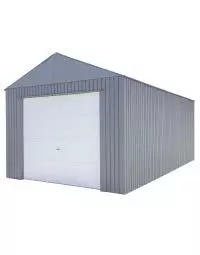
| Arrow steel carports with wall enclosure kits | 35 psf (1.68 kPa); 30 psf (1.44 kPa) on 20 ft wide, 9 ft tall frames | 65 to 80 mph | Sheltered sites where enclosure matters more |
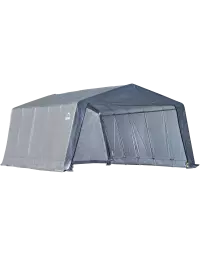
| ShelterLogic ShelterTube garages, 12 ft tall | 30 psf (1.44 kPa) | 70 mph | Long-term vehicle and equipment storage |
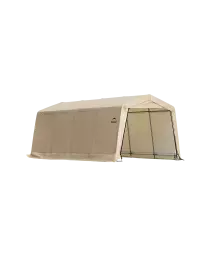
| Shed-in-a-Box, run-in and fabric shelters | Not snow-load rated | — | Three-season use; take down before winter |
That last row deserves emphasis. A large share of popular fabric shelters carry no snow-load rating at all. This is not an oversight by the manufacturer — it is the manufacturer declining to certify the roof for accumulated snow, which is a clear instruction to clear it or collapse it seasonally. Treating an unrated shelter as if it were a 30 psf structure is the most expensive assumption in this entire category.
Why adding walls lowers the wind rating
Here is the finding that surprises nearly everyone who compares spec sheets side by side. Take an Arrow steel carport with an open frame: it is rated 35 psf for snow and 100 mph for wind. Add the manufacturer's own one-sided, two-sided or three-sided enclosure kit to that identical frame and the published wind rating drops to between 65 and 80 mph, depending on the frame's width and height. The snow rating holds at 35 psf on most sizes and drops to 30 psf on the 20 ft wide, 9 ft tall frames, the largest enclosed surface in the range.
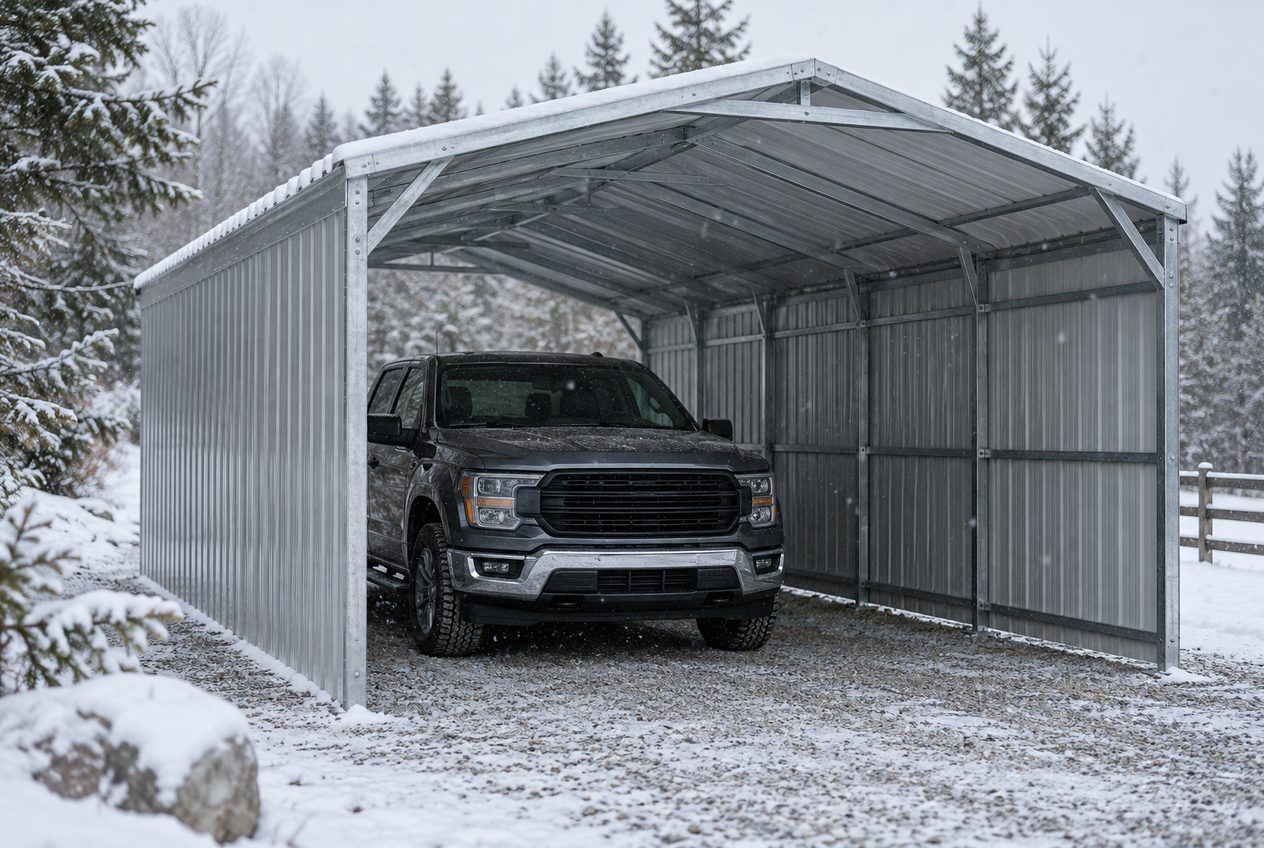
The wind figure explains itself once you picture it. An open carport lets a gust pass straight through. Wrap the same frame in panels and you have built a sail. The structure now has to resist lateral force it was previously allowed to ignore, and the engineers derate it accordingly.
The practical takeaway is not that enclosure kits are a bad idea. They are excellent when you need to keep drifting snow and blowing rain off what is parked underneath. The takeaway is that enclosing a shelter changes the structure, so you must plan around the enclosed ratings rather than the open-frame numbers printed on the original box — the wind rating above all, and on the largest frames the snow rating too. Walls add protection, not strength: if 35 psf was already marginal for your location, an enclosure kit will not help, while clearing the roof and anchoring properly will.
How much does your snow actually weigh?
Depth tells you almost nothing on its own. Weight depends on density, and snow density across a Canadian winter varies by a factor of four or more. As rough working figures, thirty centimetres of fresh, cold, dry snow weighs in the neighbourhood of three to six psf. The same depth after it has settled for a week runs closer to six to twelve psf. Wet snow, or snow that has partly melted and refrozen, can exceed twelve to twenty psf at that depth, and solid ice is heavier still.
Products in this guide
Those spreads explain why a shelter that shrugged off a metre of January powder can buckle under forty centimetres in March. The late-season events are the dangerous ones: a heavy wet snowfall landing on a base layer that has already compacted, followed by rain that the snowpack absorbs rather than sheds. Freezing rain is the extreme case, because ice adds substantial weight while contributing almost no depth to warn you.
For the number your own address should be designed against, go to the source rather than a blog table. Ground snow load values for Canadian locations are published in the National Building Code climatic data and are held by your municipal building department, which will quote them in kilopascals. Multiply by 20.885 to compare against a psf product rating. Municipalities near the Great Lakes snowbelts, across much of Quebec, in Atlantic Canada and in mountain communities routinely carry ground snow loads well above what a 30 to 40 psf shelter is built for — which does not make those shelters unusable there, but does mean they need active management rather than passive trust.
What to do when winter outruns the rating
Most Canadian owners are in exactly that position, and there is a well-established playbook.
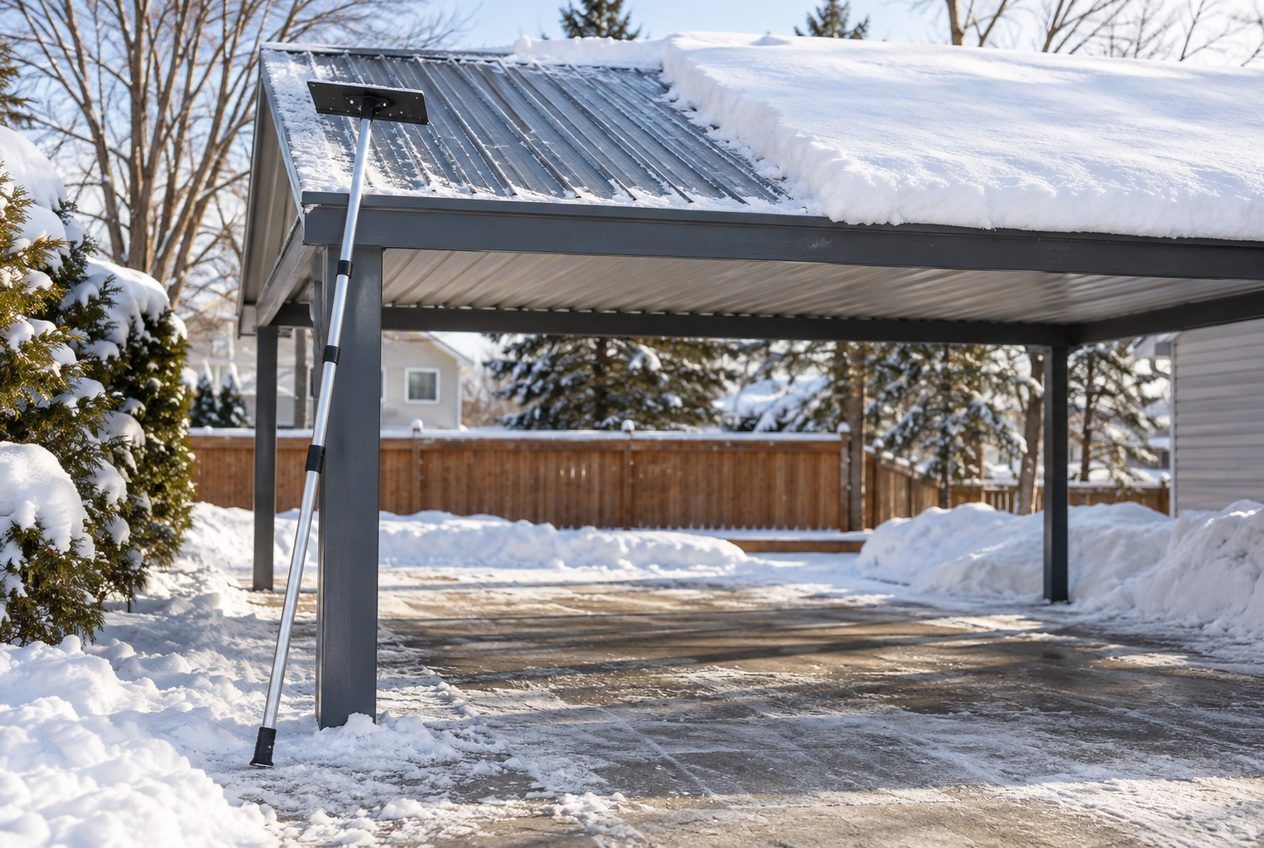
Clear the roof, and clear it early. A roof rake with a long handle, used from the ground, removes accumulation before it compacts. Never climb onto a fabric or light steel roof. The goal is not a spotless surface — it is preventing any single storm from stacking onto an existing base layer.
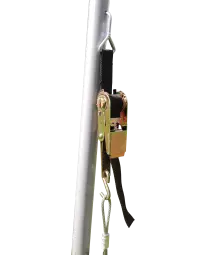
Anchor properly, and anchor for the soil you have. Ratings are void on an unanchored structure. Auger-style earth anchors bite into soil and hold against uplift, while concrete anchors with clips and shields are the correct choice on a slab. Arrow supplies both an earth anchor with auger and cable and a concrete anchor kit, and ShelterLogic offers ratchet-tightening anchor kits, an extra-long auger system and a hook-based anchoring system. These are inexpensive relative to the structure and are the most frequently skipped step in the whole installation.
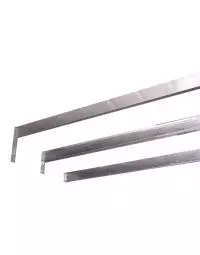
Reinforce what can be reinforced. Arrow publishes roof strengthening kits for several steel shed footprints, including 6 x 5 and 8 x 6 ft, 10 x 12 ft, and 10 x 13 and 10 x 14 ft models. Note the fine print that applies to all of them: they fit models except those with swing doors. Check your door style before ordering. These and other useful shed accessories and garage accessories are worth pricing into the original purchase rather than treating as an afterthought.
Keep the cover taut and ventilated. A slack fabric roof forms a pocket, the pocket catches snow, the snow deepens the pocket. Re-tension covers in late autumn. Automatic vent kits reduce the condensation and internal pressure swings that loosen a cover over a season.
Take it down if it is not rated. For unrated fabric shelters, seasonal removal is the manufacturer's actual instruction, not a suggestion for the cautious.
Frequently Asked Questions
Is a 35 psf carport enough for a Canadian winter?
In much of southern Ontario and the Prairies, a correctly assembled and fully anchored 35 psf carport handles a normal winter provided you clear heavy accumulations. In snowbelt regions, most of Quebec, Atlantic Canada and mountain communities, 35 psf should be treated as a structure you actively maintain through the season rather than one you can leave unattended. Check your municipal ground snow load in kilopascals and multiply by 20.885 to compare directly.
Do wall kits change my carport's ratings?
Yes, mainly the wind rating. Enclosing an open frame turns it into a wind-catching surface. Arrow steel carports rated 35 psf and 100 mph as open frames are published at 65 to 80 mph once one, two or three-sided enclosure kits are fitted, depending on the frame size. The snow rating stays at 35 psf on most sizes and drops to 30 psf on the 20 ft wide, 9 ft tall frames. Plan around the enclosed ratings, not the open-frame ones.
How much does 30 cm of snow weigh on a shelter roof?
It depends entirely on density. Fresh, dry, cold snow at that depth is roughly three to six pounds per square foot. Settled snow runs about six to twelve. Wet or partly refrozen snow can exceed twelve to twenty, and ice is heavier again. This is why late-season wet snowfalls and freezing rain cause more failures than deep midwinter powder.
What if my shelter has no snow load rating at all?
Many popular fabric shelters, including Shed-in-a-Box and run-in style models, carry no snow-load rating. That is the manufacturer declining to certify the roof for accumulated snow. Use these as three-season structures, keep the roof clear if you leave them standing, and take them down before winter if you cannot commit to clearing them after every storm.
Choosing with the numbers in front of you
The honest summary is that the ratings on the market sit in a narrow band. Almost every carport, portable garage and utility shelter you will see is rated 30 or 35 psf, and the round-roof ShelterCoat garages top the range at 40 psf, in sizes from 8 x 8 to 15 x 28 ft. That is a modest step up, not a different class of structure: none of them is built to stand unattended through a snowbelt winter, and all of them work well anywhere the owner is willing to rake the roof after big storms.
Decide how much margin your address needs, and how reliably you can clear the roof, before you shop, then filter on the spec rather than the photograph. Match the rating to your municipal ground snow load, buy the anchoring hardware at the same time as the structure, and if you are adding wall panels, design around the enclosed rating from the start. Browse our full range of carports, garages and sheds, and compare the published snow and wind ratings side by side before you commit.
Reviewed by the IPATIO team, Saint-Laurent, Quebec. Ratings quoted are the manufacturer-published figures for the products we stock at the time of writing; always confirm against the documentation shipped with your unit. Updated September 26, 2026: corrected the ShelterCoat and enclosure-kit ratings.