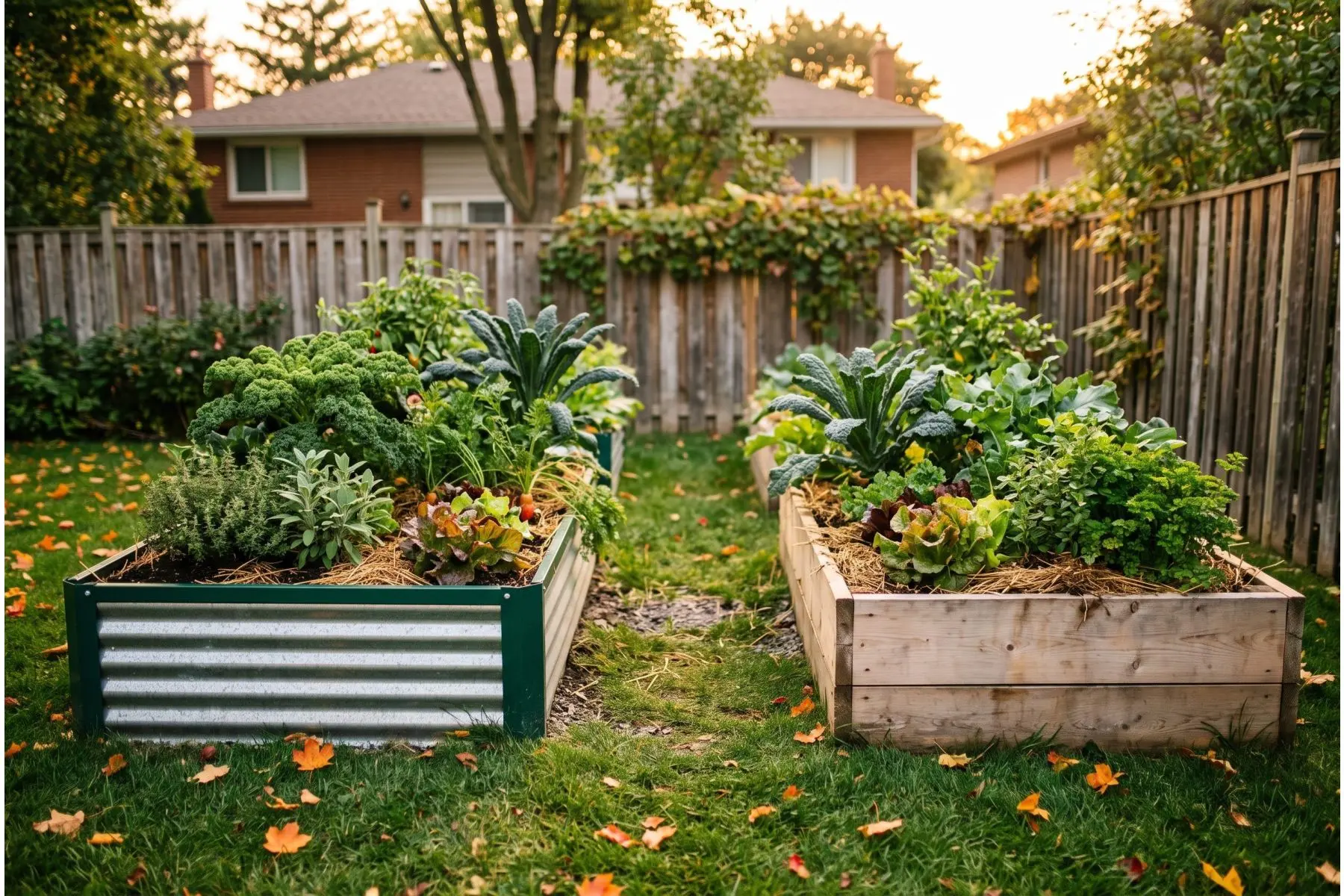
Heavy clay, rocky fill, a lawn that stays cold until the May long weekend — plenty of Canadian backyards are not natural vegetable plots. Raised garden beds are the fastest way around all of it. A raised bed, or garden box, is simply a frame that holds a volume of good soil above grade, and that single change buys you earlier planting, better drainage and far less back strain in a growing season that runs only four to five months across most of the country.
This guide covers the two frame materials that actually matter in a Canadian climate, how to size a bed for what you want to grow, how much soil it takes to fill one, and why September and October are the best weeks of the year to set one up.
Why Raised Garden Beds Work So Well in Canadian Yards
The argument for raised beds is strongest exactly where the season is shortest. Soil held above grade drains and warms faster in spring, so gardeners in Winnipeg, Calgary or Quebec City can often work and plant a bed a week or two before the surrounding ground is ready. In a climate where the difference between zone 3 and zone 6 is measured in weeks of frost-free weather, two weeks is a meaningful head start.
- Drainage you control. Clay-heavy lots in the Fraser Valley, southern Ontario and much of the Prairies hold water after spring melt. A bed filled with a loose mix drains through instead of drowning roots.
- No compaction. You work from the path, never on the soil, so the root zone stays open all season.
- Fewer weeds, fewer pests. Clean fill means far less weed seed, and a raised edge slows slugs and rabbits.
- Comfortable working height. A bed 17 inches or more off the ground removes most of the kneeling.
- It works on any surface. Gravel, compacted fill or a corner of the driveway apron — the bed brings its own soil, so poor ground underneath is not a deal breaker.
Galvanized Steel vs Wood: Choosing a Frame That Survives Winter
Freeze-thaw cycling is the real test in Canada, not summer heat. Two families of raised beds hold up to it, and they suit different gardeners.
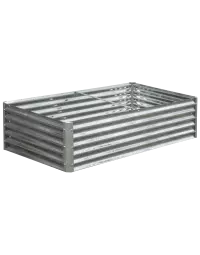
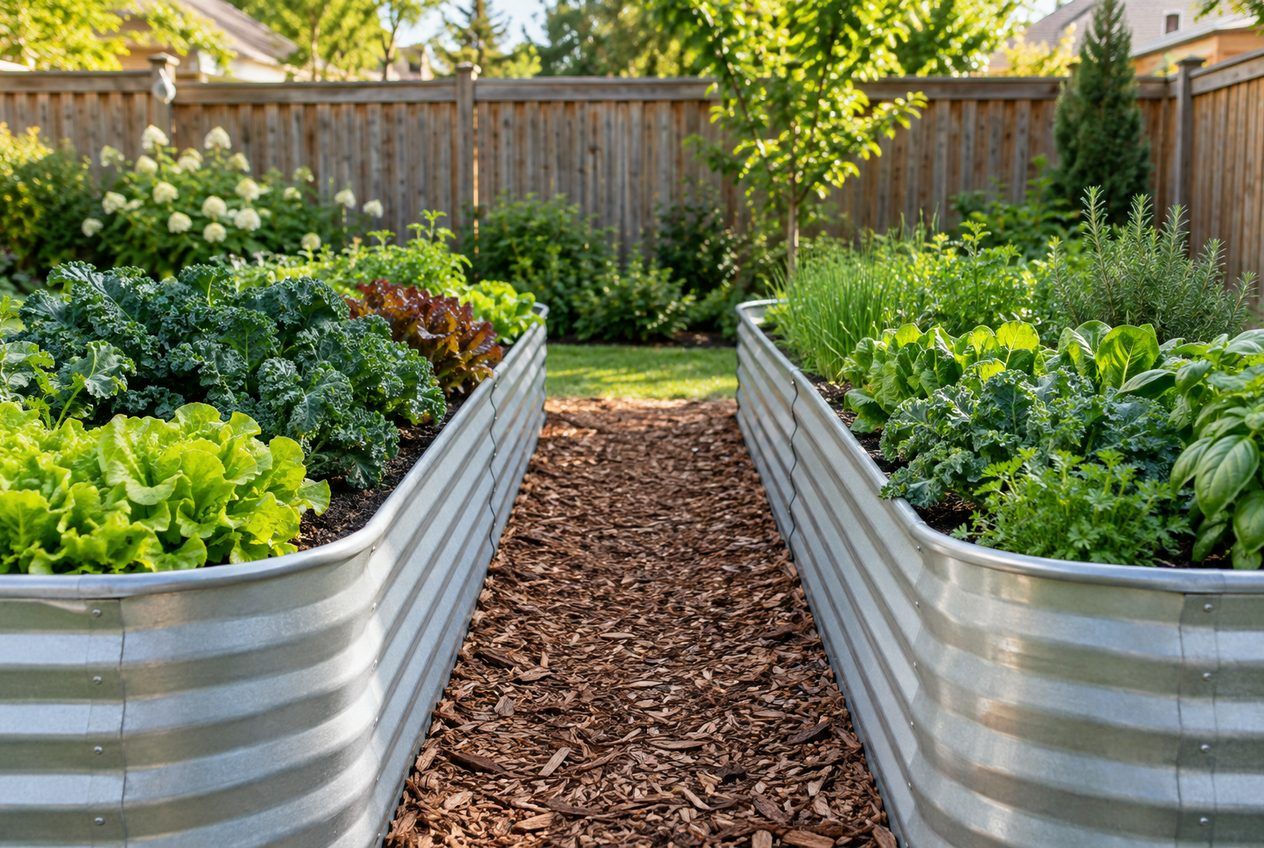
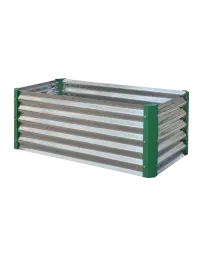
Galvanized steel is the low-maintenance option. Beds such as the Arrow GrowIT Raised Bed Garden are made of corrosion-resistant galvanized steel, assemble without tools, and are designed so no chemicals leach into the soil around plant roots. Panels shrug off wet snow and ice, and the frame will not rot at the soil line the way untreated lumber eventually does. Steel also warms quickly in spring sun, which is a bonus in April and something to manage with mulch in July.
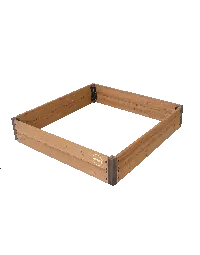
Wood looks softer in a landscaped yard and insulates soil a little better. The Miracle-Gro wood beds we carry are built from Chinese fir sourced from FSC lumber — naturally durable, water-repellent and resistant to decay and rot — with powder-coated metal brackets holding the corners square. Wood is the easier material to modify with hoops, trellises or a cold frame lid, but expect to check the fasteners each spring and accept that any softwood frame ages faster than steel.
| Feature | Galvanized steel beds | FSC wood beds |
|---|---|---|
| Assembly | Tool-free panel and bracket systems | Bolt-together kits with metal brackets |
| Freeze-thaw durability | Excellent — no rot at the soil line | Good — naturally decay and rot resistant |
| Spring soil warm-up | Fastest | Moderate, more stable mid-summer |
| Maintenance | Rinse and inspect panels | Check hardware annually |
| Easy to add hoops or a cover | Clamp to the rim | Screw directly into the frame |
| Best for | Vegetable growers who want it to last | Front yards, patio-side planting, tiered looks |
What Size Raised Bed Do You Need?
Width is about reach, not ambition. Keep any bed you can walk around to a maximum of 4 feet wide so the centre stays within arm's length from both sides; if the bed sits against a fence or wall, 2 to 3 feet is the practical limit. Length is free — a longer bed costs soil, not access.
Depth should follow the crop:
- 6 to 8 inches — lettuce, spinach, radishes, most herbs, annual flowers.
- 10 to 12 inches — beans, peppers, garlic, bush tomatoes, strawberries.
- 16 to 18 inches — carrots, parsnips, potatoes and anything you want to overwinter with a thick mulch cap.
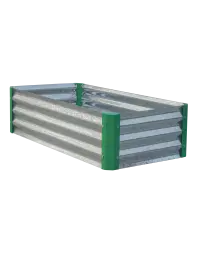
Real sizes from our raised beds category show how that plays out. A Miracle-Gro 2 x 4 x 1 ft galvanized bed is the classic starter: enough room for salad greens and herbs beside the back door. The Miracle-Gro 2 x 4 x 2 ft Galvanized Green Raised Garden Bed doubles the depth for root crops in the same footprint. The Arrow GrowIT Raised Bed Garden 72 x 36 x 17 is a full 6 by 3 foot vegetable bed at a comfortable standing-lean height, while the 40 x 40 x 11 inch square version fits a small city yard or a corner of a deck. If you want structure as well as capacity, the Miracle-Gro Wood 4 x 8 ft 2-tier Raised Garden Bed combines a shallower 4¾ inch tier with a 9½ inch tier, so herbs and deep-rooted vegetables share one frame. There are also wood planters with legs and a lower storage shelf — the right answer for balconies and anyone who does not want to bend at all.
Budget for soil before you buy. A 2 x 4 foot bed 12 inches deep holds about 8 cubic feet, roughly 225 litres, or eight 28-litre bags. That 72 x 36 x 17 inch bed holds around 25 cubic feet — close to 700 litres, which is when bulk delivery from a local soil yard starts to cost less than bagged mix.
Where to Put Your Bed — and What to Fill It With
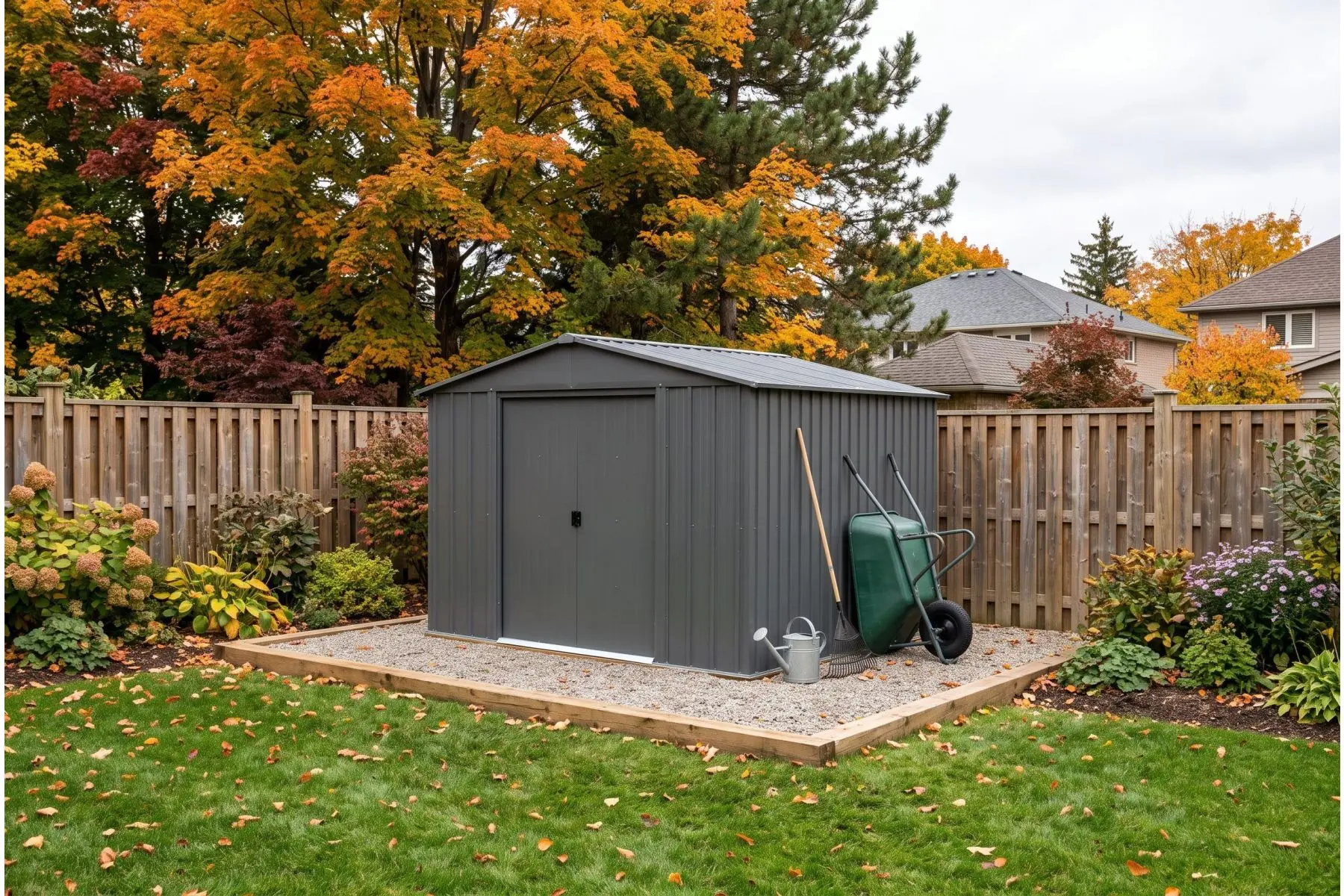
Find six to eight hours of direct summer sun, with a southern or western exposure if you have the choice. Shelter matters too: a bed tucked behind a fence, hedge or garden shed loses less moisture to prairie wind and dries out more slowly in August. Keep a hose or watering can within easy reach, because raised beds drain faster than open ground and need more frequent watering in July heat.
Products in this guide
Level the site before assembly. On lawn, lay flattened cardboard or landscape fabric across the footprint to smother grass; on gravel or hard-packed fill, no barrier is needed. For a filling mix, a reliable recipe is roughly 60 per cent quality garden or triple mix, 30 per cent compost and 10 per cent peat or coconut coir for moisture holding. Do not simply shovel in lawn soil — it compacts, and it brings weed seed with it. In deep beds you can save money and improve drainage by filling the bottom third with chopped branches, leaves and coarse organic material, then topping with your mix. Expect the level to settle a few centimetres over the first winter; topping up each spring is normal.
Why Fall Is the Best Time to Build a Raised Bed in Canada
Most people buy raised beds in April, when the garden centres are busy and the soil is still cold. Building in fall is the smarter move, and mid-September through late October is the window for most of the country.
First frost arrives around mid-September in Calgary and Edmonton, late September on the Prairies, early to mid-October around Montreal and Ottawa, mid to late October across southern Ontario and Nova Scotia, and not until early November on the south coast of British Columbia. Frost ends the harvest, but it does not stop construction: the ground is dry, workable and easy to level, and bagged soil is often discounted at the end of the season.
- Assemble and fill now. Soil settles and biology gets going over winter, so the bed is ready to plant the moment it thaws.
- Plant garlic. Mid-October in southern Ontario and the Maritimes, late September to early October on the Prairies — garlic wants a cold winter and a free-draining bed, which is exactly what a raised bed gives it.
- Add a cover crop or a leaf mulch cap. Shredded leaves over bare soil feed the bed and stop the surface from crusting.
- Beat the spring rush. Come April you are seeding, not shopping and shovelling.
Extending the Season and Overwintering Your Beds
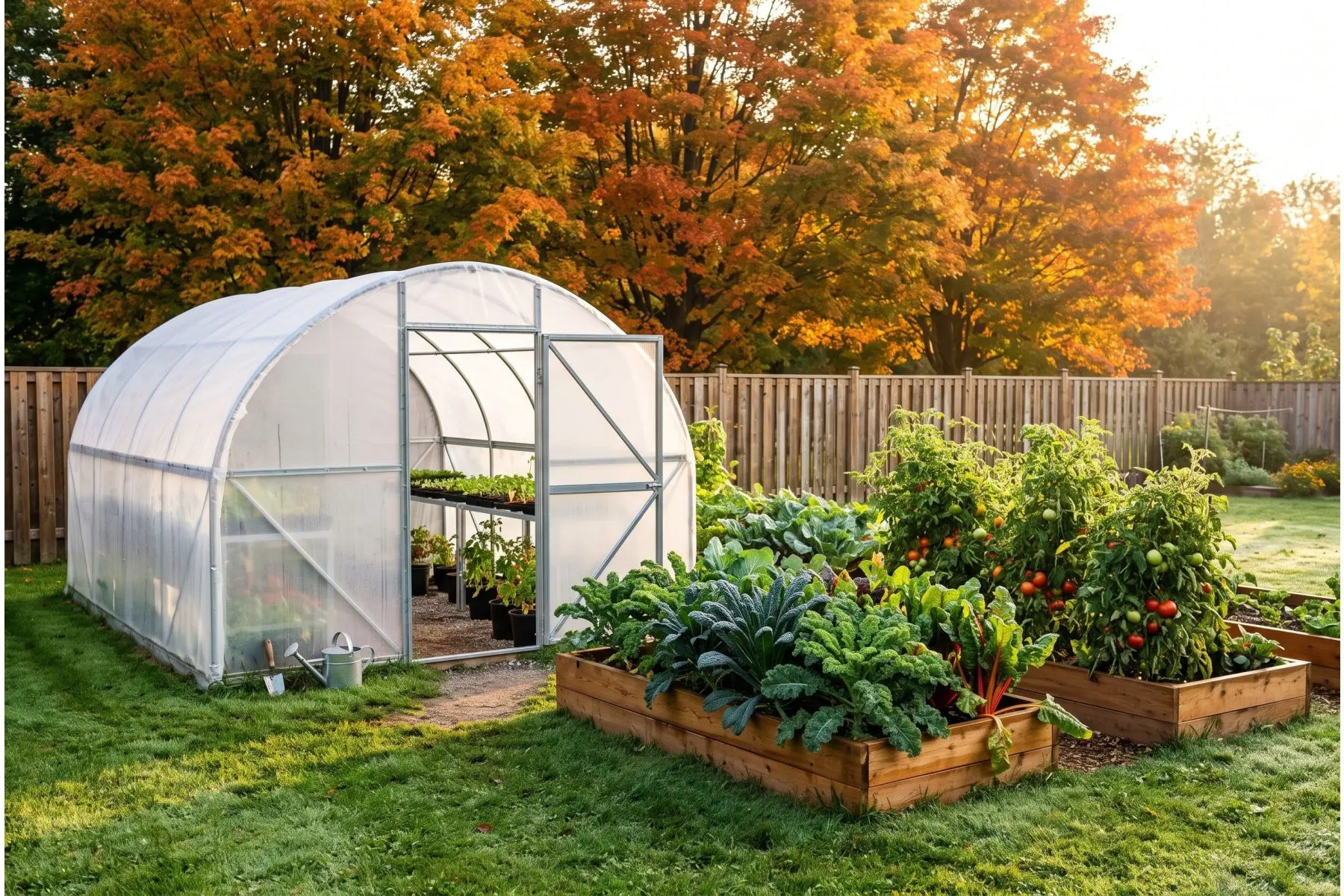
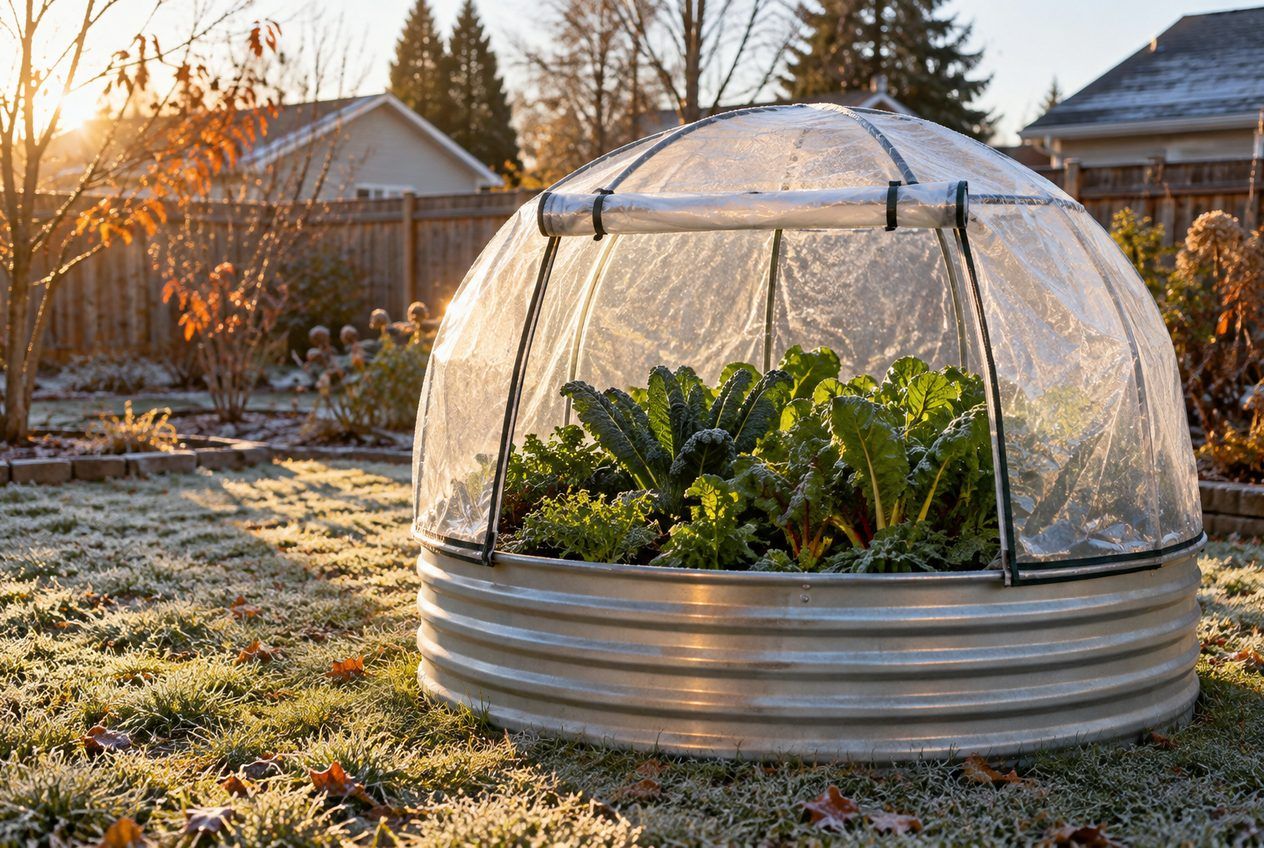
A cover turns a raised bed into a cold frame. The GrowIT Backyard Raised Bed Round 4 x 4 ft Greenhouse sits over a bed footprint on a high-grade steel frame with a translucent polyethylene roll-up cover held by tension ropes, so you can vent on a mild afternoon and close it at dusk — note that the wood frame itself is not included. For gardeners who want to start seedlings in March, stepping up to a walk-in backyard greenhouse is the logical next purchase, and our greenhouses range covers everything from mini units to heavy-duty structures.
Perennials and shrubs planted around the beds benefit from their own protection. Gazebo Penguin shrub covers run from 22 x 22 x 24 inches up to 40 x 40 x 44 inches, enough to shield young evergreens and roses from ice load and winter burn.
Overwintering the bed itself is mostly about restraint. Leave the soil in place — an empty bed erodes and loses structure. Skip the fall tilling, mulch the surface with leaves or straw, and let the freeze do its work. Steel frames handle frost heave without complaint; wood frames should be checked in spring for loosened brackets and fasteners, which is a five-minute job with a driver. Store your trellises, hoops and hand tools in a garden shed or storage boxes so they are not buried under a snowbank in April.
Frequently Asked Questions
Are galvanized steel raised beds safe for growing vegetables?
Yes. The galvanized steel raised beds we carry, including the Arrow GrowIT range, are made specifically so that no chemicals leach into the soil and are absorbed by plant roots, and the corrosion-resistant coating is what keeps the panels intact through Canadian winters. They are sold for growing vegetables, fruit, herbs and flowers.
How deep should a raised garden bed be?
Six to eight inches is enough for salad greens and herbs, 10 to 12 inches suits most vegetables including garlic and peppers, and 16 to 18 inches is worth it for carrots, parsnips and potatoes. Deeper beds also hold moisture longer during a hot Canadian July, which means less daily watering.
Can I set up a raised bed in the fall?
Fall is the best time. From mid-September to late October the ground is dry and easy to level, soil has all winter to settle, and you can plant garlic right away. A bed built in October is ready to seed as soon as it thaws, typically one to two weeks before the surrounding garden.
Do I need to empty or cover my raised beds for winter?
No — leave the soil in place. Mulch the surface with shredded leaves or straw, skip the fall tilling, and let the freeze-thaw cycle break up the mix naturally. A cold-frame or greenhouse cover is optional and mainly useful if you want to keep harvesting hardy greens into November or start seedlings early.
Ready to Start Your Raised Bed Garden?
Pick the material that matches how much maintenance you want to do, size the bed around reach and root depth rather than available space, and get it built before the ground freezes. Our raised beds selection covers galvanized steel and FSC wood frames from Arrow and Miracle-Gro in starter and full-size footprints, our planters range handles balconies and entryways, and greenhouses take over when you want to garden in March. Set one up this fall and next spring's garden starts weeks earlier than your neighbour's.