
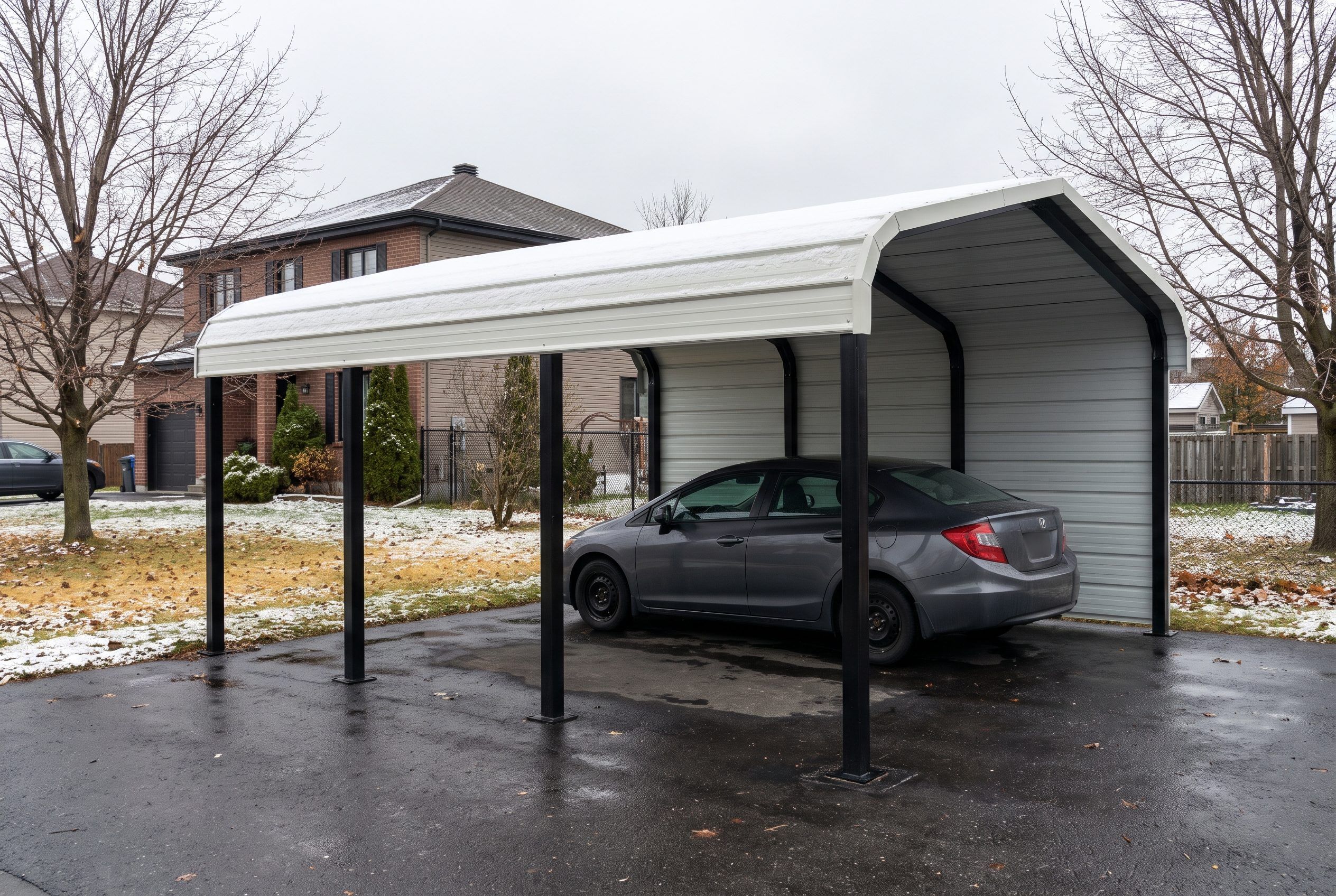
An open carport does one job very well: it keeps snow and freezing rain off the roof of your car. What it cannot do is stop the wind. In most of Canada that becomes obvious some time in November, when the first real storm drives snow in sideways and fills the bay you shovelled an hour earlier. A carport enclosure kit is the usual fix — a set of pre-cut steel wall panels, or a fabric wall set, that closes one, two or all of the open faces of a carport you already own. This guide covers how those kits are sized, which face to close first in a Canadian winter, and when it costs less to order a carport that already has its walls.
The short answer
Close the long side the wind comes from first. On a carport 15 ft long that is the Arrow 1-Sided Enclosure Kit for Steel Carports, 15 × 9 ft; if snow also drives in from the back, add a rear wall kit sized to the carport's width. Steel panels are permanent, come painted to match the roof and need no seasonal handling. A fabric enclosure closes everything at once, including the ends, and comes back off in spring. Whichever you choose, match the kit to the length, width and height of the carport you own: the panels are pre-cut and cannot be trimmed in the driveway.
What a carport enclosure kit is — and what is not in the box
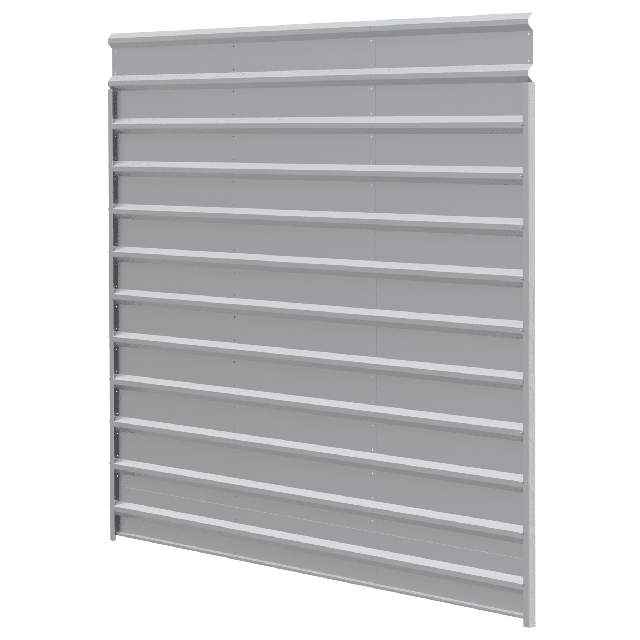
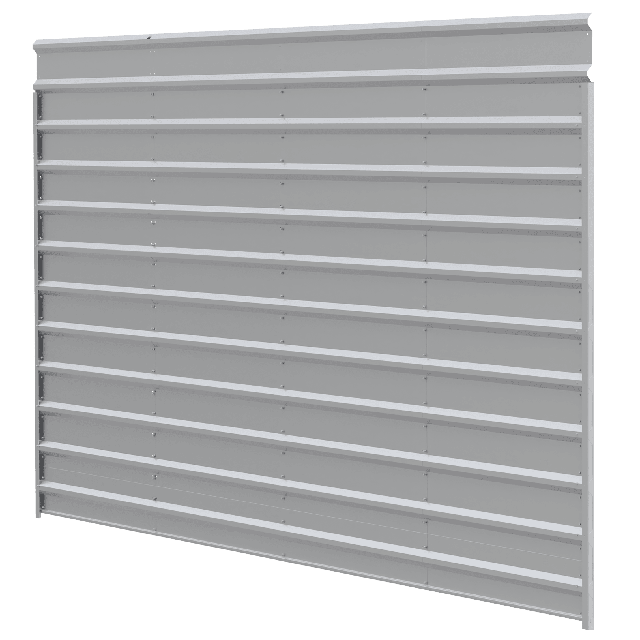
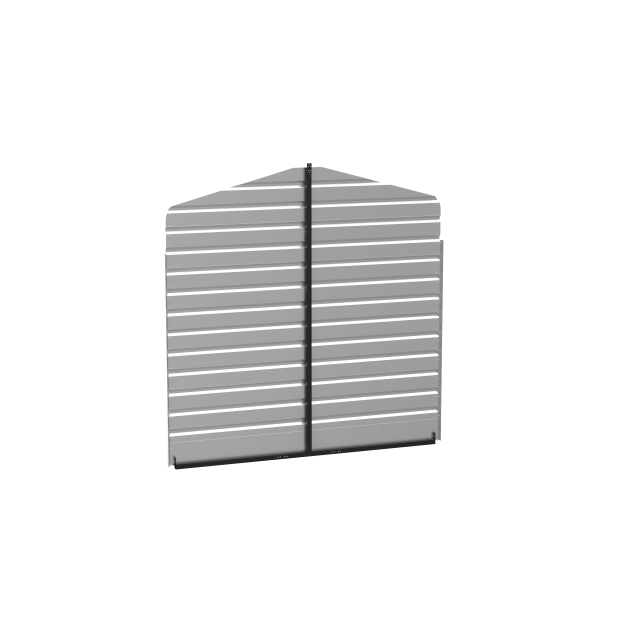
The steel kits are walls, nothing more. Each one is a set of 29-gauge galvanized steel panels with the framing, hardware and instructions needed to bolt them onto the carport you already have. They arrive painted to match the carport roof, in eggshell or charcoal, and a one-sided kit can be installed on either long side. The carport itself is not included, and neither is a floor, a door or a frame extension.
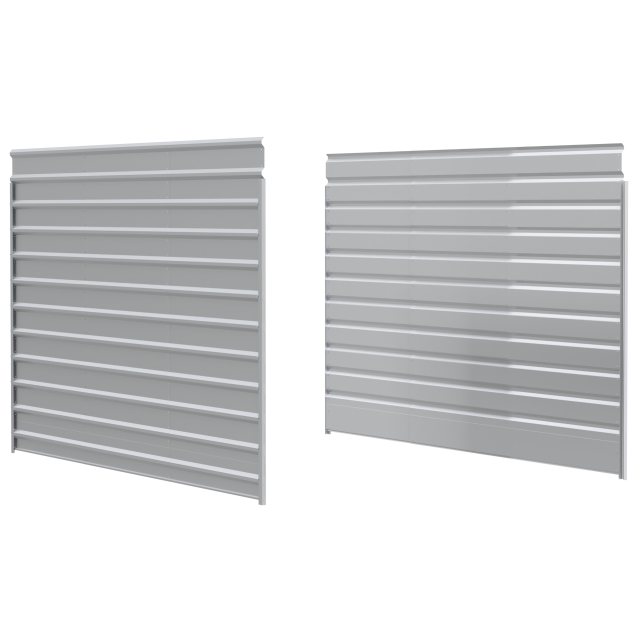
The simplest version closes one long side. The Arrow 2-Sided Enclosure Kit for Steel Carports, 15 × 9 ft closes both long sides of the same structure, which turns a carport into a long covered tunnel with two open ends. To close the back instead, the Arrow Rear Wall Kit for Steel Carport, 10 × 9 ft fits across the end of a 10 ft wide carport and uses the same galvanized panels and the same colour match.
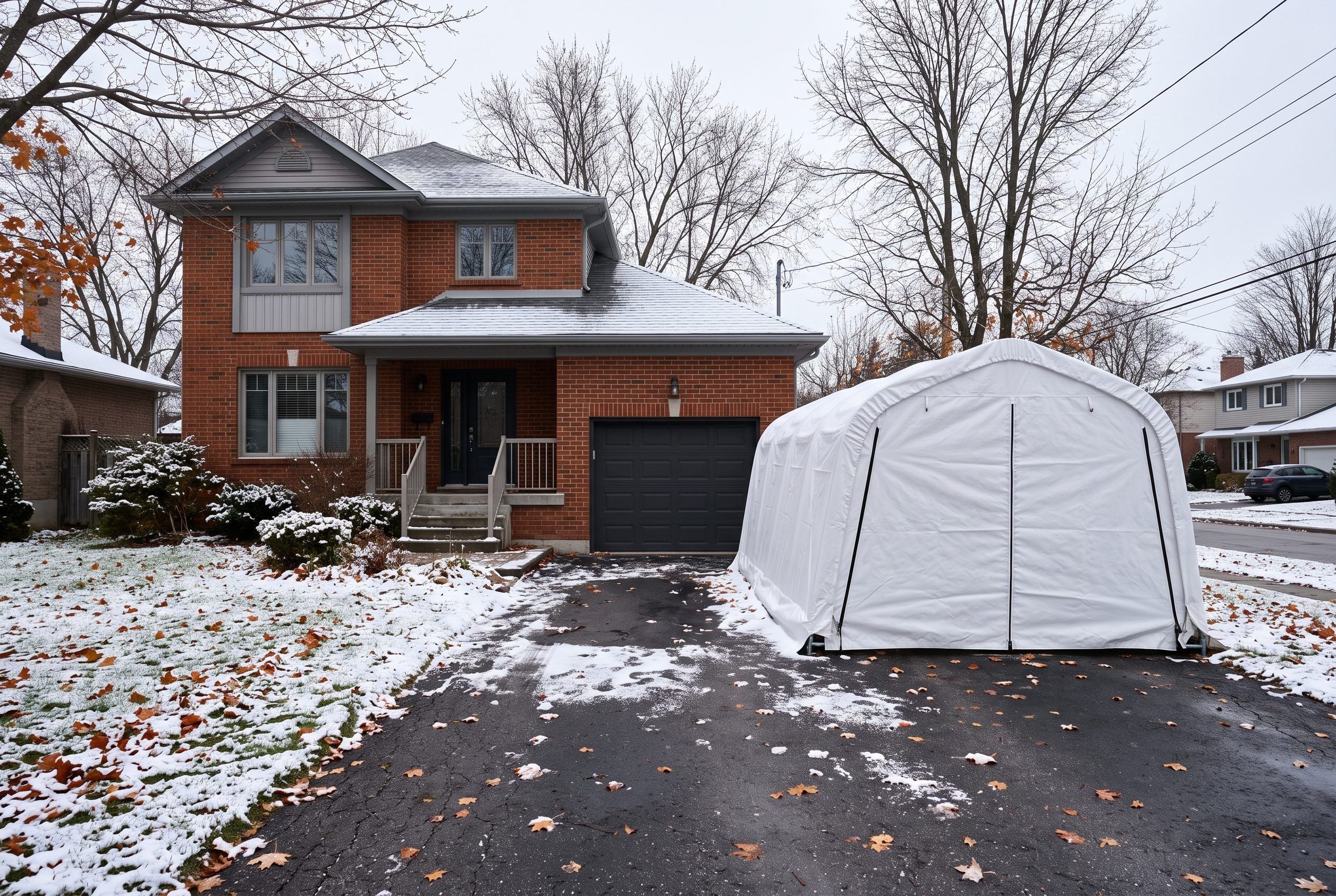
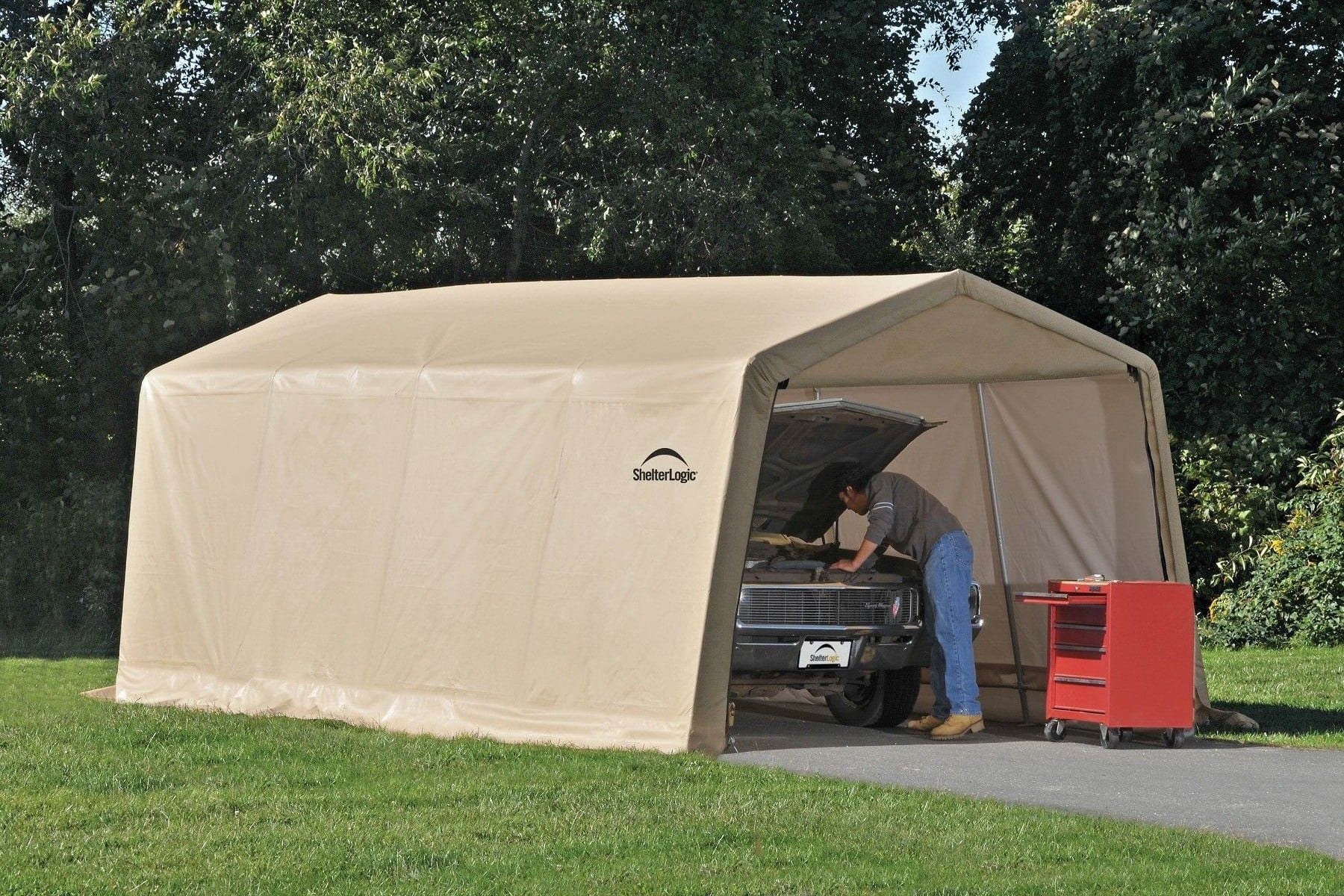
There is a second family that works differently. The Arrow Enclosure Kit for Carport, 10 × 15 ft is fabric rather than steel: triple-layer polyethylene, ripstop, UV treated inside and out, with heat-sealed seams and front and rear door panels so you can still drive through. It wraps the whole structure in one purchase, and it can be taken off and stored when the snow goes.
Reading the size on the box
This is where most ordering mistakes happen, because the two numbers on a kit do not mean the same thing on every product. On a side kit, the first number is the length of the carport and the second is the height it is built for. A 15 × 9 ft side kit is a wall 15 ft long and 96.75 in high, made for a carport 15 ft long and 9 ft tall — and it fits the 10, 12 and 20 ft wide models, because the width of a carport does not change the size of its long side.
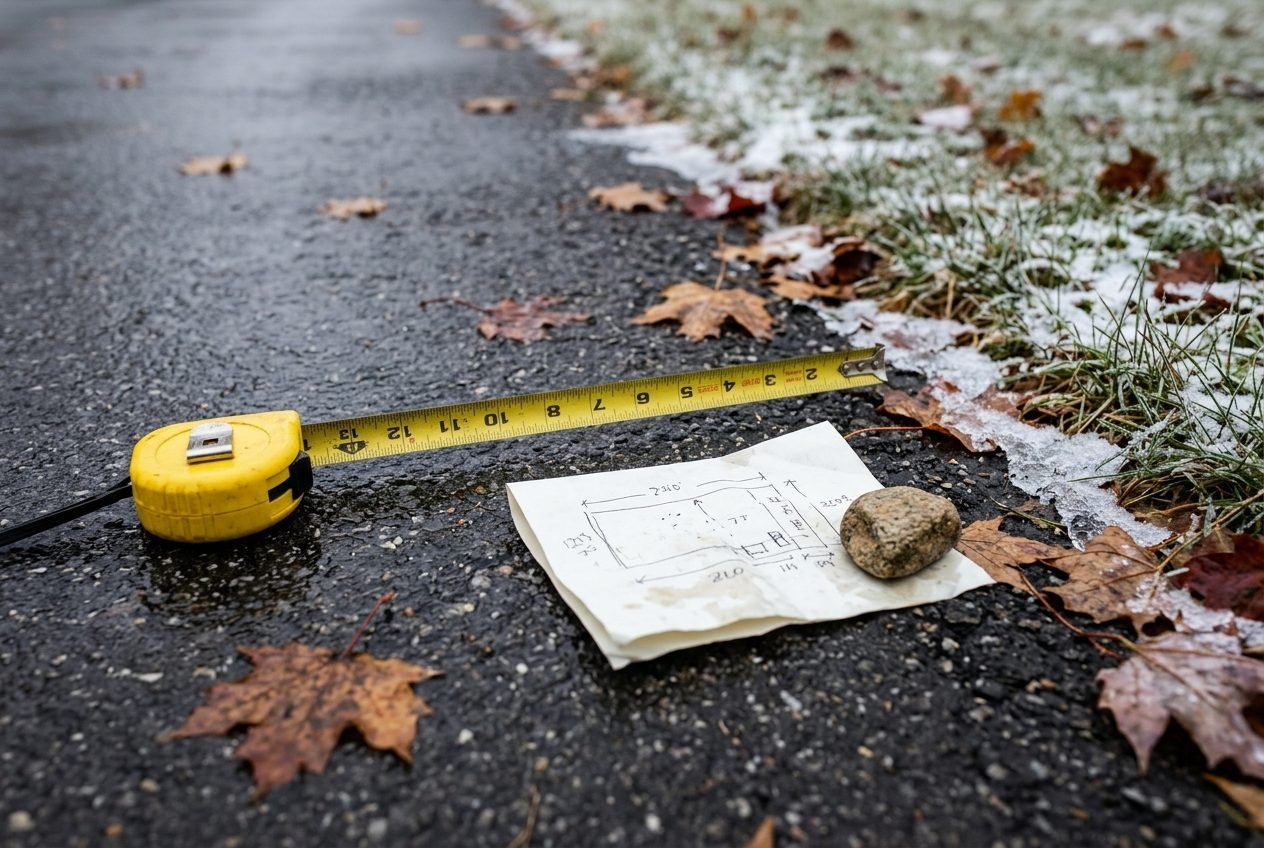
On a rear wall kit the first number is the width. A 10 × 9 ft rear wall closes the end of a carport 10 ft wide and 9 ft tall; a 12 × 7 ft rear wall closes a 12 ft wide, 7 ft tall one. So for a carport measuring 12 × 20 × 9 ft you would be looking at the Arrow 1-Sided Enclosure Kit for Steel Carports, 20 × 9 ft and a 12 × 9 ft rear wall kit — two different numbers for the same structure.
One caution worth a phone call. Every steel side kit we stock is a 9 ft version, while Arrow's own sheet for the two-sided kit says it can be used with 7 ft or 9 ft tall carport models. If your carport is the 7 ft height, confirm the fit before ordering rather than after the pallet arrives.
Steel panels or a fabric enclosure?
Both close a carport, but they suit different owners. Steel is the choice when the wall is meant to stay up for good and look like part of the structure. Fabric is the choice when you want a fully closed bay for the winter and an open carport again in July.
Products in this guide
| Feature | Steel enclosure kits | Fabric enclosure kit |
|---|---|---|
| Material | 29-gauge galvanized steel, painted to match the roof | Triple-layer polyethylene, ripstop, UV treated, heat-sealed seams |
| What it closes | One side, both sides or the back — bought wall by wall | The whole structure at once |
| Doors | None; the open side stays your way in | Front and rear door panels for drive-through access |
| Seasonal handling | Permanent, nothing to take down | Removable and storable in spring |
| Colours | Eggshell or charcoal | Grey |
| Best for | Blocking wind and drifting snow year after year | A dry, closed bay in winter and an open carport in summer |
Which side to close first in a Canadian winter
Across southern Quebec and Ontario the winter wind usually arrives from the west or northwest, which is why snow piles against west-facing fences and leaves the lee side almost bare. A carport behaves the same way. Closing the windward long side stops most of what blows into the bay, and the drift forms outside the wall instead of around your wheels.
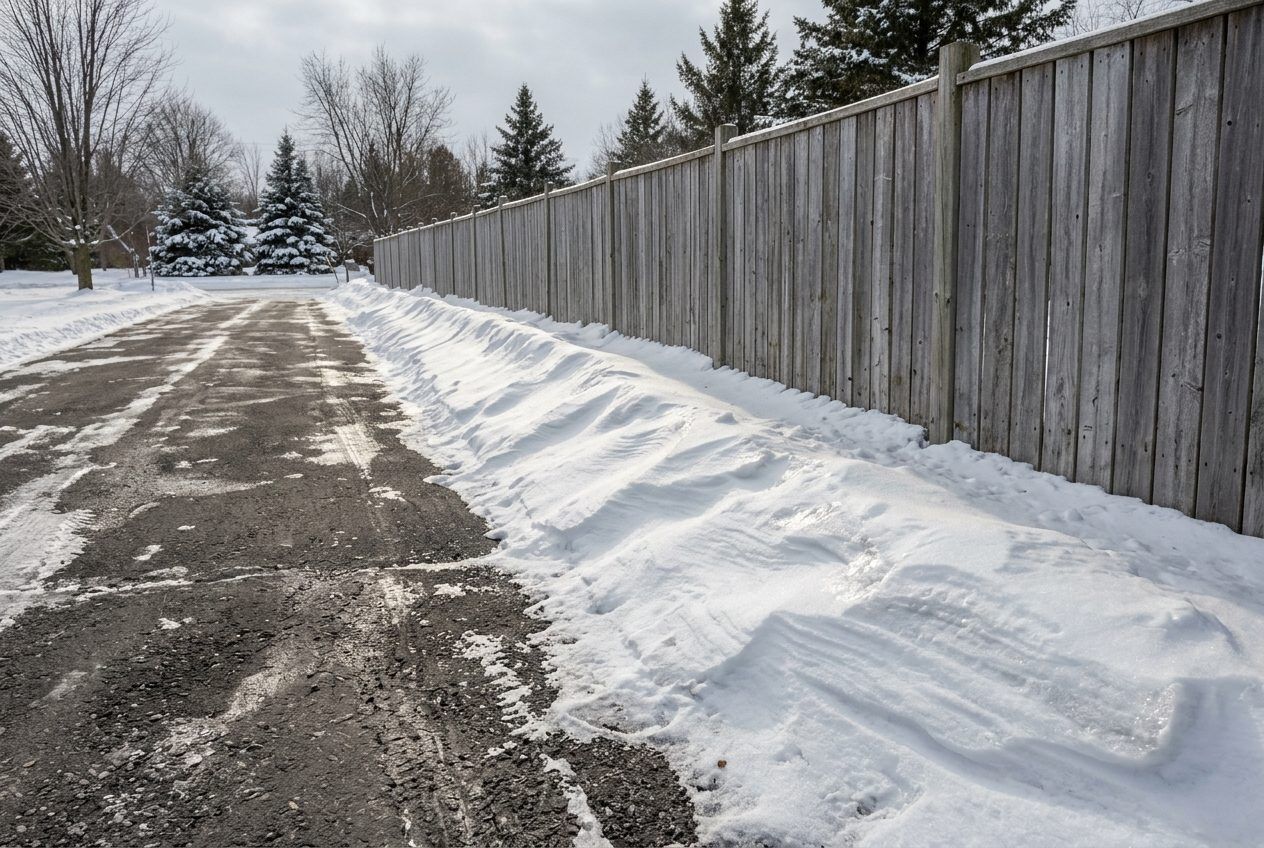
The second face to close is whichever end the weather comes through. On a driveway that runs straight out to an open field or a wide street, that is often the back, and a rear wall kit does more good than a second long side. Privacy and road spray point the same way: the panel that blocks the plow's slush is usually the one facing the street.
Leave one long side open unless you genuinely want a closed building. Two steel walls plus a rear wall leaves a single opening, which is excellent shelter and awkward parking. If the goal really is a closed bay, the fabric kit or a factory three-sided carport will serve you better than three separate panel kits.
Walls later, or a carport that already has them?
Both routes exist side by side in our catalogue, and the honest answer is that buying the wall with the carport is the cheaper of the two. Several Arrow models are sold with one, two or three sides already enclosed: the walls are accounted for in the frame and the hardware, everything arrives in one order, and the total is lower than the same carport bought bare and walled a year later. Adding a kit afterwards is still the right call for the many people who already own the carport and only discovered the wind problem in February.
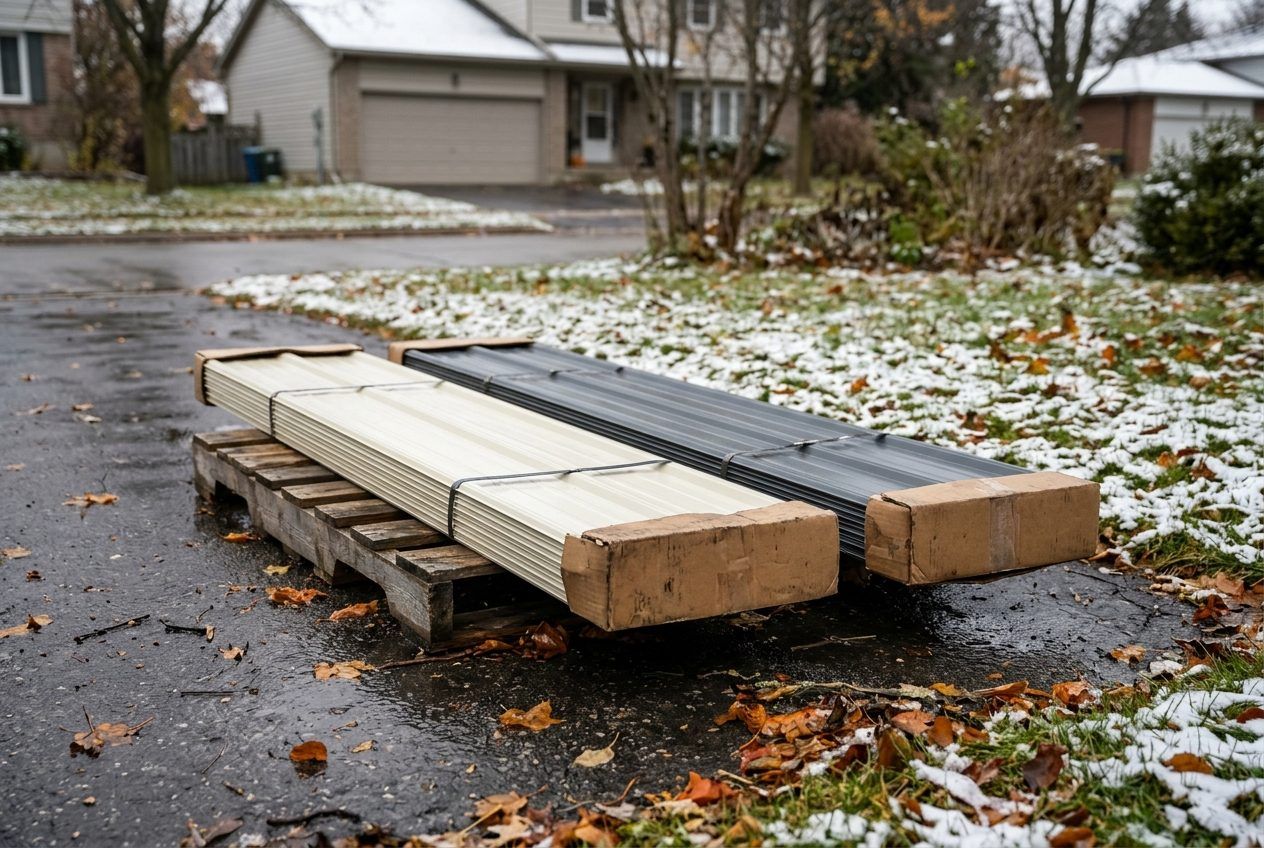
Whichever way you go, plan the delivery. The panels travel as long, flat, heavy bundles on a lift-gate truck, so clear a path to the driveway and have a second pair of hands for the day they land.
Wind, snow and anchoring once a wall goes up
A closed side turns a carport into a sail. Anchoring matters more after the panels are on than it did when the structure was open on all four faces, so this is the moment to go back over the base. Arrow ships its carports with the roof panels, frame, anchors, hardware and instructions, which means the anchors that hold the structure down were in the original box: find them, check that every one is still tight, and re-torque the fasteners along the new wall after the first windy week.
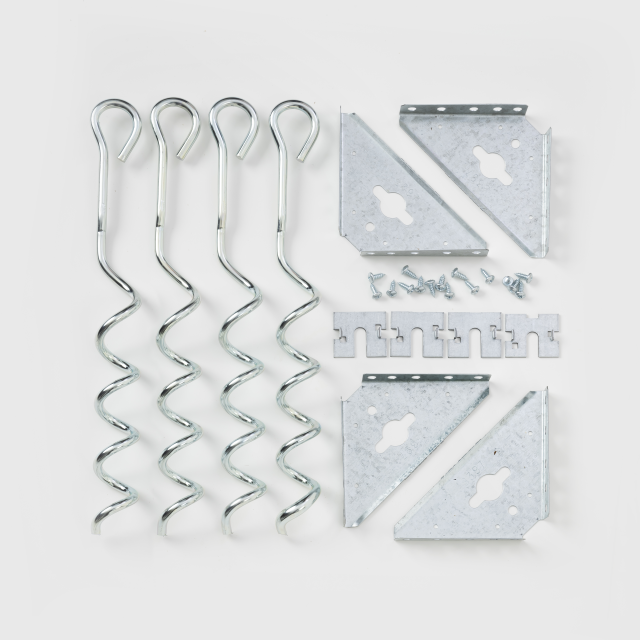
One trap in the carport accessories aisle is worth naming. The Arrow Steel Earth Anchor Kit is a shed anchor — four 15 in steel corkscrews designed for Arrow buildings no larger than 10 × 10 ft — not a carport anchor, even though it sits among the carport parts. The other question to settle before closing a side is the roof itself: adding walls does nothing for snow load, so keep clearing the roof on the same schedule you always have.
Frequently Asked Questions
Can I add an enclosure kit to a carport I already own?
Yes — that is exactly what these kits are for. The panels, framing and hardware bolt onto the carport's existing frame, and the instructions come in the box. The carport itself is never included in an enclosure kit, so you are buying a wall for a structure that is already standing.
Will the panels match the colour of my carport?
The steel kits are painted to match the carport roof and are sold in eggshell and charcoal, so order the kit in the colour your roof already is. The fabric enclosure comes in grey regardless of the roof it covers.
Can I close only the back of my carport?
Yes. A rear wall kit is sold on its own and is sized to the width of the carport rather than its length — 10, 12 or 20 ft wide, in 7 ft and 9 ft heights. On a driveway where the weather comes straight through the open end, one rear wall often does more than a long side panel.
Do the panels have to come down in spring?
Steel panels stay up year-round; they are a permanent part of the structure once installed, and there is nothing to fold or store. A fabric enclosure is the opposite: it is designed to be removed and put away, which is what makes it attractive to owners who want shade and airflow in July.
Before you order
Write down three numbers before you look at anything: the length, the width and the height of your carport. The length picks the side kit, the width picks the rear wall kit, and the height has to match both. Then decide how much of the structure you actually want closed — one windward side for most driveways, a side plus a rear wall where the end is exposed, or the fabric route if you want everything shut in January and open again in June.
From there it is a short list. The Arrow 1-Sided Enclosure Kit for Steel Carports, 15 × 9 ft and the Arrow Rear Wall Kit for Steel Carport, 10 × 9 ft cover the two common jobs in steel; the Arrow Enclosure Kit for Carport, 10 × 15 ft covers the removable one. The rest of the carport accessories, and the carports themselves, sit alongside them if you are starting from an empty driveway rather than an open roof.
Reviewed by the IPATIO team, Saint-Laurent, Quebec.

Login and Registration Form
Sign in before you order so your purchase earns points. Orders placed while signed in earn points once they’re complete. Checking out as a guest? Create your account on the order confirmation page and that order is added to it. Every 100 points takes $1 off a later order. About Club IPATIO
Create your account to earn 100 points right away, plus 100 more if you subscribe to our newsletter. Your account also earns points on purchases once each order is complete, and for product reviews. Every 100 points takes $1 off a later order. About Club IPATIO